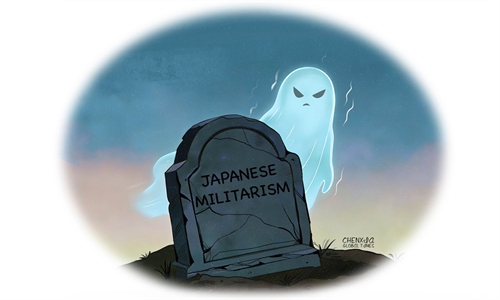
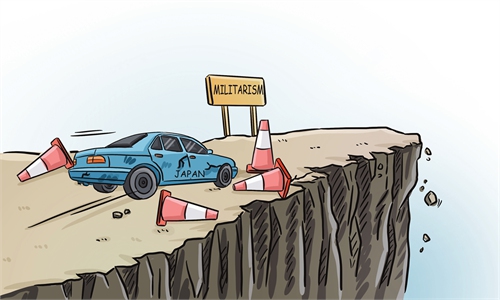
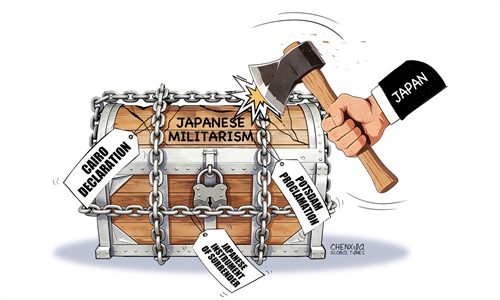
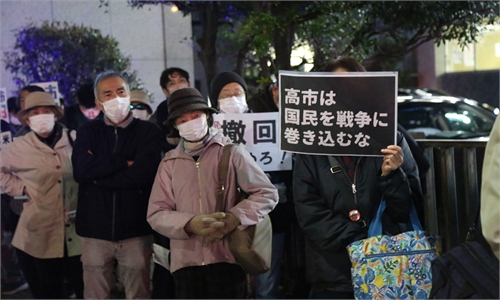
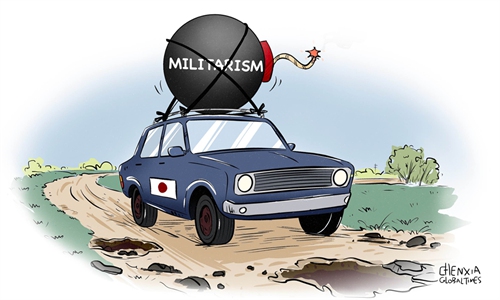
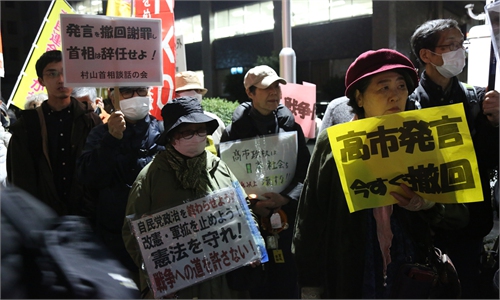
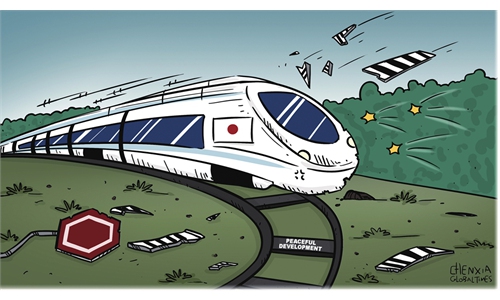
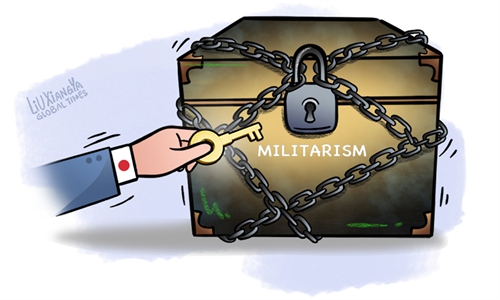
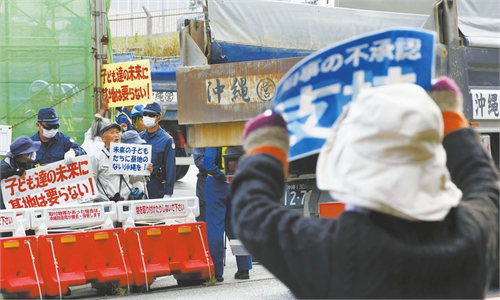
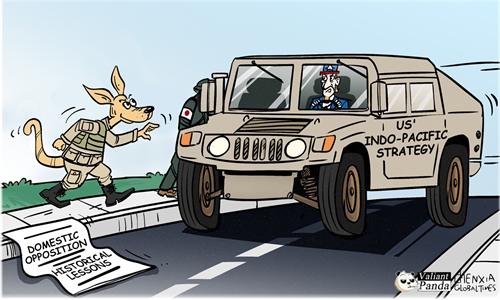
Japan's recent moves to reinterpret collective self-defense, amend its pacifist constitution and debate the “Three Non-Nuclear Principles” represent a pivotal shift in the regional security architecture – one that carries significant risks and threatens to unravel the delicate balance that has underpinned regional stability for decades.
The Fourth Plenary Session of the 20th Central Committee of the Communist Party of China (CPC) offered the world a critical window into China's strategic trajectory. The session has charted the course for the 15th Five-Year Plan period (2026-30) - years likely to define the next phase of China's modernization and its interaction with a fracturing global order.
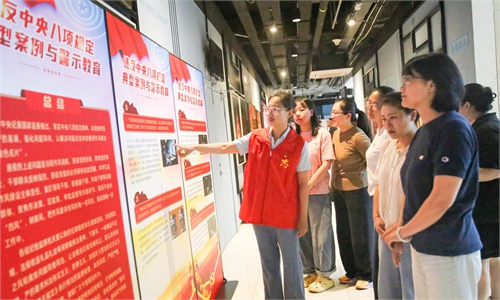
The Global Times invites experts and scholars from around the world to discuss the efficacy, global significance of the eight-rules decision and the examples it sets for ruling parties in other countries, especially those in the Global South. In the second article of the series, Global Times (GT) reporter Liu Xuandi interviewed Tichaona Zindoga (Zindoga), founder and director of the think tank Ruzivo Media and Resource Center in Zimbabwe. Zindoga shared his insights on the global implications of the eight-rules decision from the perspective of an African observer.
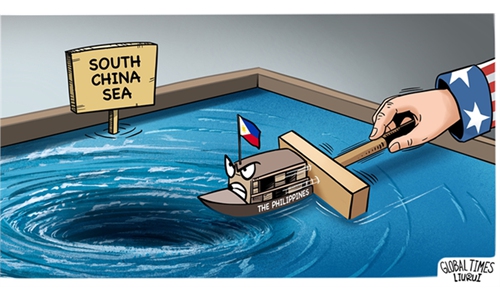
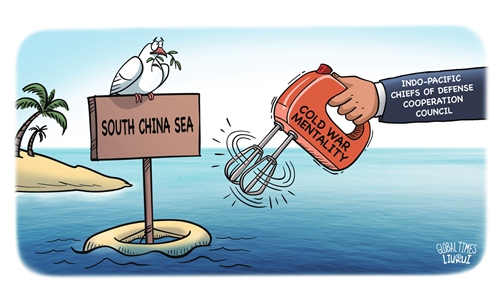
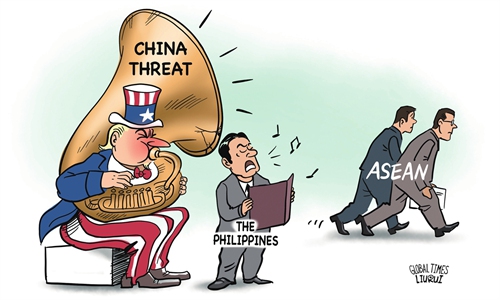
Recently, several Philippine media outlets turned their attention to a "highly ritualized" but security-illusory quadrilateral meeting.
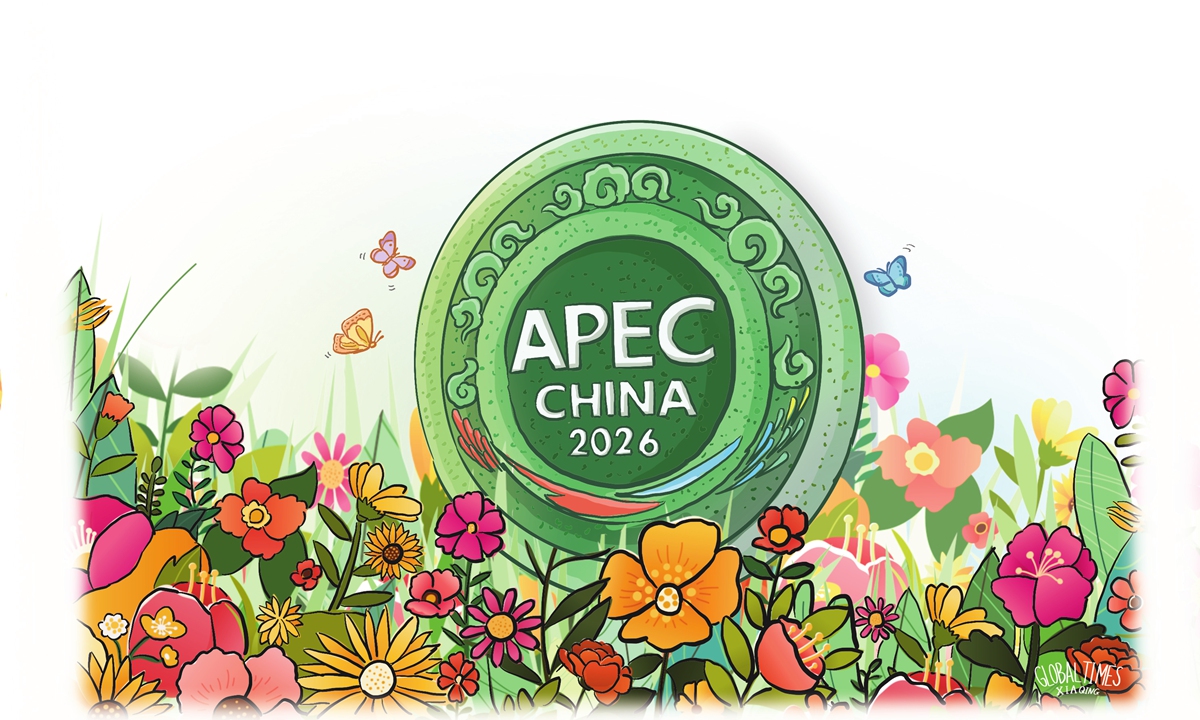
The Global Times (GT) interviewed Kim Heung-kyu (Kim), director of the US-China Policy Institute at Ajou University, and John W.H. Denton AO (Denton), secretary general of the International Chamber of Commerce who participated in this year's APEC meetings, about the outcome of the gathering and their expectations for China's role as a host for next year's meeting.
Global Times (GT) reporter Zhang Ao interviewed John W.H. Denton AO (Denton), secretary general of the International Chamber of Commerce (ICC) who participated in this year's APEC meetings, about the outcome of the gathering as well as China's role in advancing regional economy.
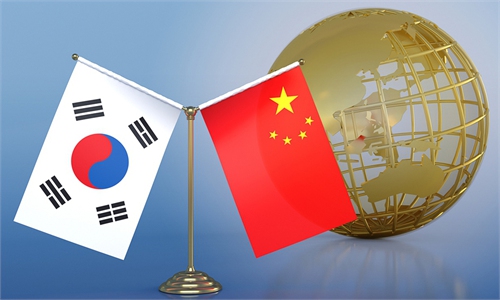
In an interview with the Global Times (GT), Kim Heung-kyu (Kim), director of the US-China Policy Institute at Ajou University, shared his insights on the future direction of China-South Korea relations.
In an interview with Global Times (GT) reporters Xing Xiaojing and Wang Wenwen, Jaemin Lee (Lee), a professor from the School of Law, Seoul National University, said that the unique strength of the APEC lies in these diplomatic events and gatherings where members' leaders and businesspeople can get together to candidly discuss various topics of practical importance.
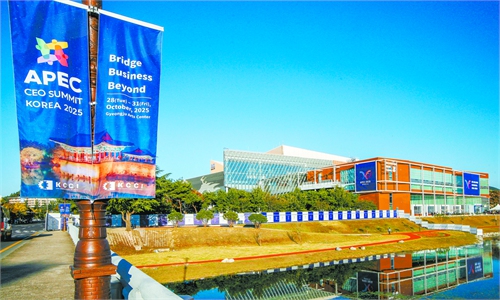
The APEC Economic Leaders' Meeting will be held this week in Gyeongju, South Korea. All 21 economies will come together to discuss pathways to the Asia-Pacific region's shared prosperity.
The Takaichi administration will need greater strategic autonomy to navigate Washington's demands - demands that may ultimately test the loyalty and patience of one of America's closest allies.
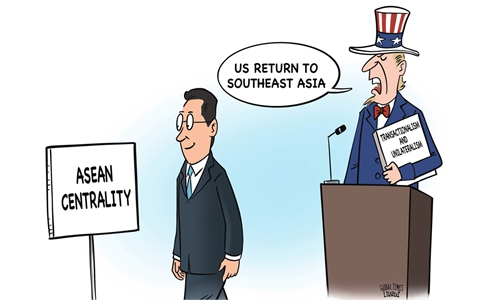
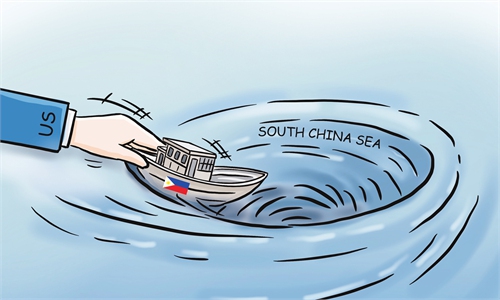
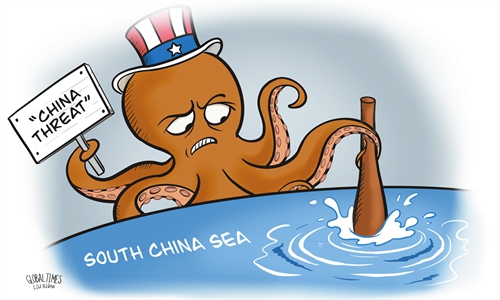
Washington's rhetoric of "returning to Southeast Asia" signals less a strategic comeback than a symptom of anxiety over declining influence.
The chaotic political landscape and sluggish economic conditions within Japan make it difficult for the government to carve out sufficient space for minilateral security frameworks and quasi-alliance strategies.
Just shortly before, South Korean pledged around $500 billion in investment. Yet only 10 days later, the US “rewarded” South Korea's generosity with a massive raid and arrests. In short, the dignity of an ally appears exceedingly fragile in the face of the “America First” doctrine pursued by the US.
It is highly symbolic that this initiative was voiced precisely during the SCO meetings, a unique platform where countries with diverse political systems and civilizational trajectories meet at the same table.
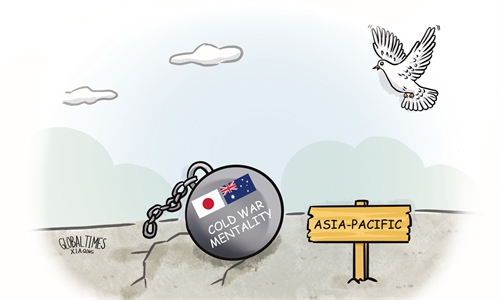
At its core, the Japan-Australia “2+2” statement aims to construct a circle of “like-minded” countries under the banner of shared values – essentially a continuation and repackaging of Cold War-era bloc confrontation thinking.
The frequent change increases doubts and mistrust toward Japan's global diplomacy.
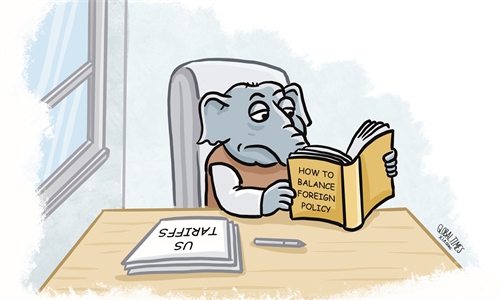
Only by developing BRICS and SCO cooperation can India enhance its strategic position, create more options and strengthen its bargaining power in negotiations with the US.
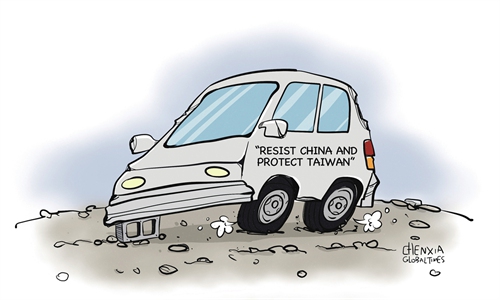
The residents of Taiwan island long for peace and will do everything possible to prevent war.
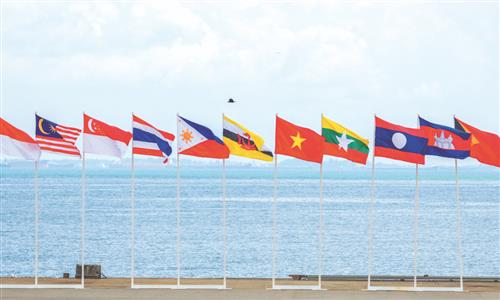
The Philippines' ASEAN chairmanship should catalyze cooperation rather than conflict. Manila must commit to maintaining ASEAN's trajectory toward unity and shared prosperity at this pivotal crossroads.
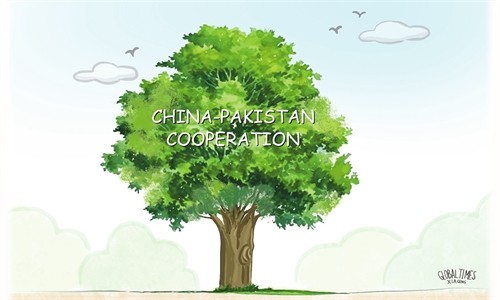
The China-Pakistan friendship goes far beyond the bilateral scope, it's one of deep trust and shared hardship.
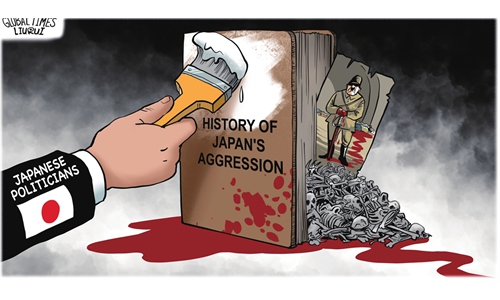
This moment presents a crucial opportunity to correct the distorted perception of history presented within Japan, testing Japanese Prime Minister Shigeru Ishiba's historical insight and political vision.
When South Korea commemorates Liberation Day, it should not forget China; looking ahead, it should allow the tree of China-South Korea cooperation to flourish, making the memory of their joint resistance a solid bond, promoting peace and cooperation in Northeast Asia.
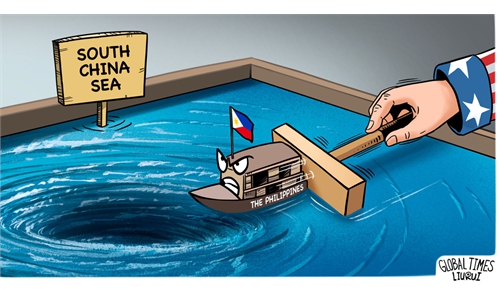
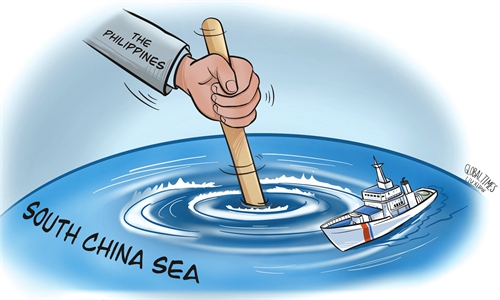
The Philippines' attempts to "win" the narrative war - through staged media operations and amplified grievances - may garner fleeting sympathy, but they undermine long-term peace.
This sustained cooperation, which has expanded for more than seven decades, stems from a unique combination of geographic proximity, shared strategic interests, economic complementarity and evolving geopolitical dynamics.
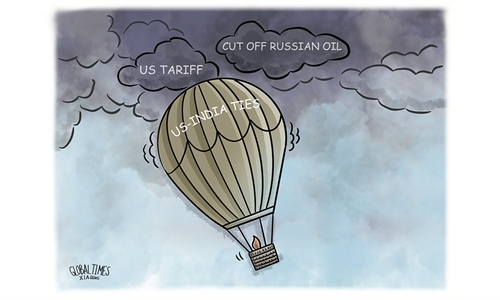
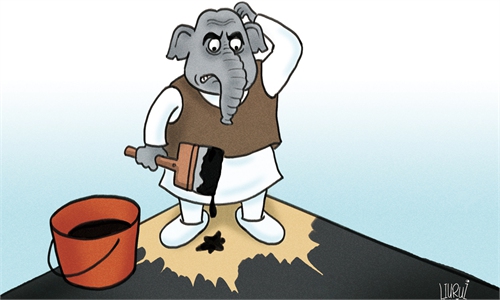
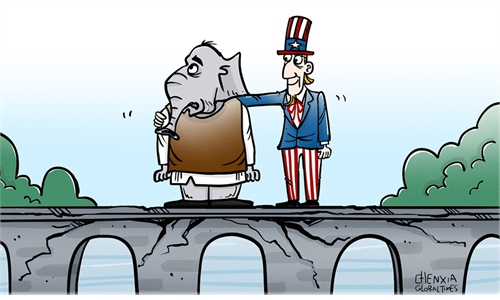
The US-India relationship now stands at a critical juncture of deepening mistrust and growing strategic suspicion. Yet for Modi, ties with Washington remain a key pillar for boosting India's global stature and securing geopolitical benefits.
Hyping up the Taiwan question will not bring any benefits to India. A return to rational analysis is crucial for India in its China relations.
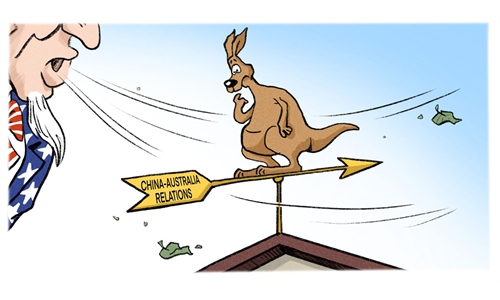
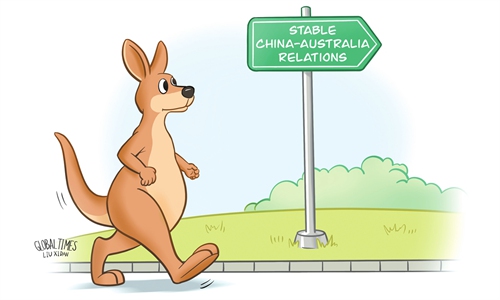
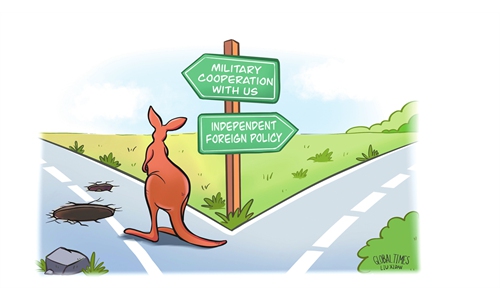
The Albanese government has taken a balanced approach: Stabilizing relations with China while maintaining its traditional alliance with the US. This is the policy of a country that realistically recognizes its geography, its economic interests and its responsibility to the region it inhabits.
South Korea and China, the central core countries of the global society, need to work closely together to maintain the banner of free trade and fair competition, which are essential for the sustainable shared prosperity of the global community.
The emergence of China-Bangladesh-Pakistan cooperation marks a new phase in regional cooperation in South Asia.
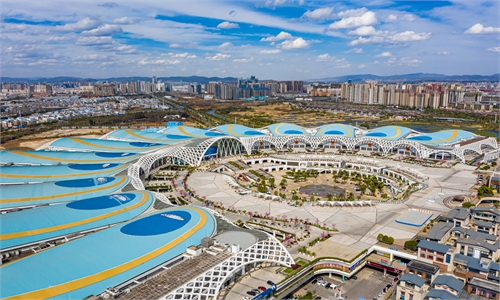
The 9th China-South Asia Expo, held in Kunming, Southwest China's Yunnan Province, concluded on Tuesday. How does the expo boost cooperation among regional stakeholders?
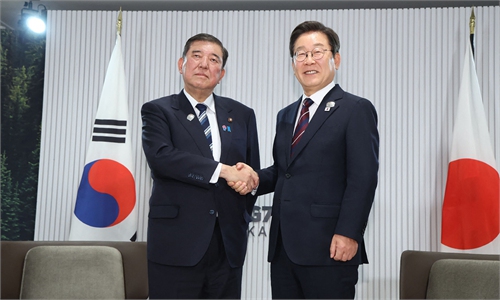
Looking forward, South Korea-Japan relations may increasingly resemble what Lee has described as "neighbors sharing a front yard" - maintaining necessary cooperation while managing their differences.
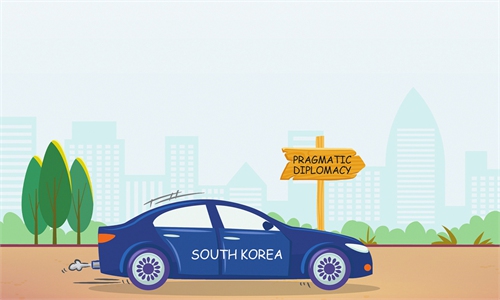
The pragmatic approach means that rather than pursuing balanced diplomacy between China and the US, South Korea will pursue a more prudent foreign policy and secure practical benefits from the standpoint of its national interests.
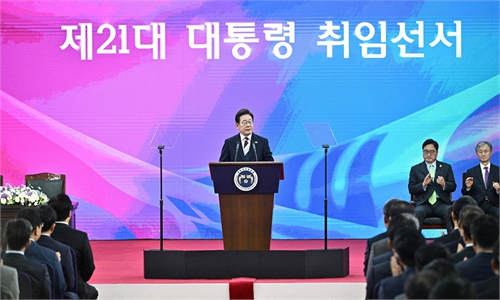
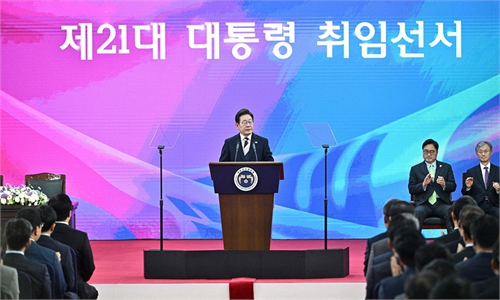
Under Lee's leadership, South Korea faces both opportunities and challenges in economic reform and international cooperation.
In the context of a complex and evolving global landscape, Japan should have a clear understanding of its own national interests and must not retreat from working with other countries to resist protectionism.
The Global Times invited three experts to share their insights on the 50th anniversary of the establishment of diplomatic relations between China and the Philippines.
No matter how the times may change, it's expected that Myanmar and China will remain “Paukphaw” committed to closer cooperation across various fields based on mutual trust and understanding, said a Myanmar scholar on the 75th anniversary of the establishment of diplomatic relations between China and Myanmar.
China and regional countries should jointly cherish the hard-won peaceful and stable situation, resolve differences through dialogue and consultation, and firmly say no to the US attempts to create chaos and confrontation, ensuring that Asia remains a peaceful and stable continent.
Under Lee's pragmatic approach, China-South Korea relations are expected to develop into a multidimensional pattern characterized by political manageability, economic recovery and the resumption of people-to-people exchanges.
Protecting the enthusiasm for local diplomacy, creating a favorable policy environment for local economic and trade cooperation, and providing strong support for local diplomatic practice are also essential.
Washington insists on framing the world in zero sum binary terms: us or them. Australia's interests are best served by rejecting such binaries.
For Japan, shifting strategically from crisis management to seizing opportunities may be more crucial than merely concluding a tariff agreement. Japan should strive to regain strategic autonomy and economic independence amid the global restructuring of the economic and trade order.
In today's uncertain and increasingly divided world, the promotion of building a peaceful, safe and secure, prosperous, beautiful and amicable home by China and its neighboring countries, including ASEAN states, aligns with the aspirations of the people on all sides, says a Vietnamese expert.
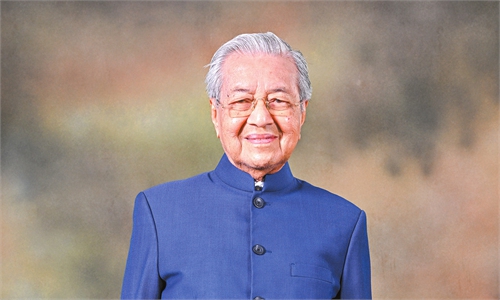
The principle of amity, sincerity, mutual benefit and inclusiveness reflects China's foreign policy and is very acceptable to countries of SE Asia, because we want to live at peace between ourselves, says former Malaysian PM Mahathir
The China-Cambodia friendship serves as a testament to both countries' joint efforts to uphold peace and promote development for the benefit of their peoples. In this context, the building of an all-weather community with a shared future in the new era between Cambodia and China naturally reflects their enduring friendship.
The Cambodia-China relationship is a cornerstone of China's neighborhood diplomacy, promoting harmony, development and shared prosperity. Our partnership exemplifies how mutual respect, non-interference and win-win cooperation can lead to enduring peace and regional stability
China and Cambodia will enhance bilateral cooperation and coordination within the LMC framework.
The China-Malaysia relationship is an example of how countries should handle occasional challenges facing their relationship with neighboring countries.
Vietnam is implementing this theoretical perspective relatively clearly and specifically: Vietnam does not choose sides; Vietnam only chooses justice.
Yunus' visit shows that, despite the political situation in Bangladesh, the relationship between the two countries remains strong.
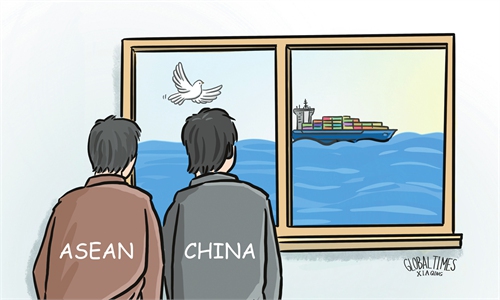
Over the years, China has worked with ASEAN member states to ensure unimpeded access to and safety of the sea lanes in the South China Sea and has made an important contribution to this collective endeavor.
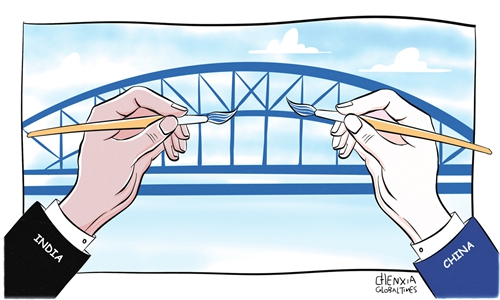
India and China have a huge responsibility to add to the stability and peace of the world and ensure progress. We are required to work together to chart a new path for the world.
I believe the relationship between Australia and China will continue to improve, but it may be a gradual process.
Foreign ministers of China, Japan and South Korea have vowed to advance trilateral cooperation at the 11th China-Japan-ROK Trilateral Foreign Ministers' Meeting held in Tokyo on Saturday, the first meeting of foreign ministers from the three countries since November 2023.
Rather than succumbing to misleading narratives, it is crucial to recognize Cambodia's diplomatic agency and the enduring nature of its friendship with China.
For Japan, the lessons of militarism are not far away.
The problems of telecommunication fraud, illegal online gambling and other cybercrimes have posed a serious threat to China and Southeast Asian countries.
Over the past thousand years, the sentiment of "China and Thailand are one family" has been deeply rooted in the hearts and souls of the Thai and Chinese peoples.
ASEAN is a family. When a family faces a problem, it is unwise for one member to turn to external parties for “help.” Doing so only exacerbates the situation, escalating tensions and undermining internal cohesion.
By allowing the US, one of the belligerent or quasi-belligerent powers, to pre-position missile systems in its territory, the Philippines has turned itself into a direct participant and a magnet for retaliatory or preemptive strikes: Philippine scholar
A combination of enhanced political mutual trust, economic benefits and deepening of cultural ties has contributed to a more positive evaluation of China and the relationship between the two countries among the Malaysian people.
A key step is for Japan to adjust its perception of China and adopt a more positive and friendly policy toward China. We hope the resumption of the China-Japan ruling party dialogue mechanism will bring more stability to the bilateral relationship.
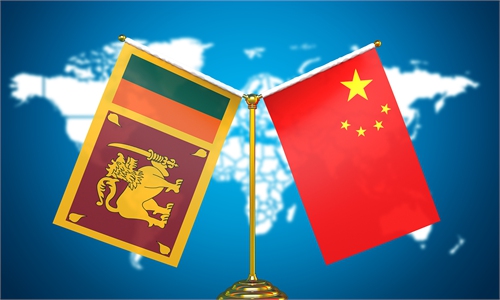
A pragmatic approach is likely to yield more tangible benefits for Sri Lanka.
Modi administration has already begun to adjust its policies toward China and Russia to mitigate the potential impacts of the incoming Trump administration. Ultimately, Sullivan's visit may become a "thing of the past."
The US and the Philippines are also confronting credibility challenges. ASEAN countries doubt the US' enduring dedication to the area, considering its past tendency of erratic involvement.
Cultural exchanges rely on government initiatives, which means that both the Chinese and Indian governments need to allocate more resources and take more proactive measures to promote bilateral cultural exchanges.
Optimism can be maintained when envisioning the future trajectory of China-Australia relations, which has encountered a number of challenges over the past years - this is the message Global Times (GT) captured in an exclusive interview with Bob Carr (Carr), former Australian foreign minister, during the 2024 Understanding China Conference (Guangzhou) recently.
There have been some heated discussions, but we ultimately agreed that dialogue is the way forward. We cannot afford any confrontations in the region, as they would negatively impact our economy and our people-to-people relations.
As the world's two largest developing countries and the two major neighbors of South Asian countries, China and India have the responsibility to drive the region to focus on development and cooperation, adhere to strategic autonomy and jointly resist all kinds of external provocation and "divide and rule" efforts.
The Philippines has become an outlier state when it comes to the ASEAN position, as the ASEAN way is balancing China and the US, the two major powers, while seeking a peaceful settlement of disputes, avoiding conflict and promoting amity among nations.
What is needed for excessively securitized Japan now is the effort of "de-securitization."
Instead of working to increase cooperation with its largest trading partner, Australia will commence regular military drills with Japan. There is a very good reason why this could be seen as a serious political misstep for the government.
ASEAN leaders should focus on solving problems using ASEAN's approach and values. Our conflict resolution in this region is to use the diplomatic approach to address issues.
Prabowo, through deepening cooperation with China, shows not only his sense of responsibility for national development, but also his determination to promote regional cooperation within a multilateral framework.
October 2024 will be recorded in history as a month when a paradigm-shifting breakthrough happened in the relations between India and China.

If Manila had not sought to establish a separate code of conduct with some relevant countries in the South China Sea, political trust between China and ASEAN could have been further enhanced.
The real challenge India faces is to develop a proactive regional cooperation strategy, rather than simply rejecting or resisting China's initiatives while failing to take any constructive action.
Questions of soft power are entangled with Australia's quest for its identity. Can a nation anxious about its geographical location, and which presents itself as a subimperial power, carry genuine soft power heft in its own right?
Regional security and stability, as well as economic recovery and prosperous development, define ASEAN's core values. Proposals like an "Asian NATO" are fundamentally at odds with ASEAN's aspirations.
While Japan-China relations may have experienced some ups and downs, exchanges between the two countries have never truly ceased.
I believe that both India and China are the only continuing ancient civilizations that have witnessed rises, influenced each other spiritually and materially, and contributed significantly to global development. Even today, it seems history is repeating itself - we are witnessing the rise of both India and China.
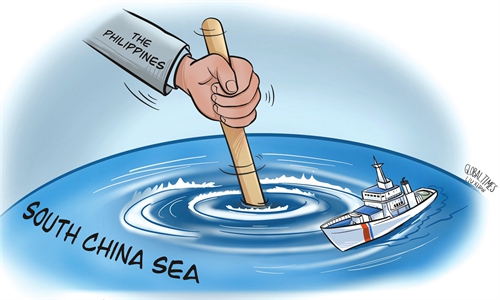
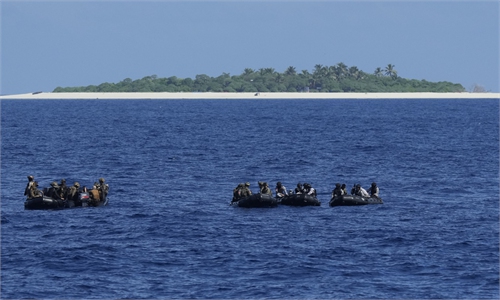
The Philippines should not underestimate the high costs that will inevitably arise from challenging China and undermining regional security, nor should it assume that it has the backing of major powers. For the Philippines, the only correct choice is to immediately withdraw its ships and personnel at Xianbin Jiao.
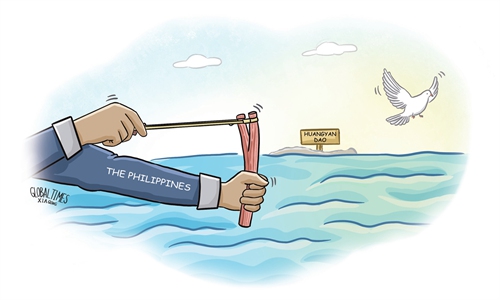
The Philippines' despicable actions disregard the safety of its own vessel and its personnel, and disrupt peace and stability in the South China Sea.
Such a "tightrope" is not an easy route, and Australia needs to fine-tune its foreign policy so that it truly serves the interests of its people, rather than sacrificing their future for the benefit of other countries.
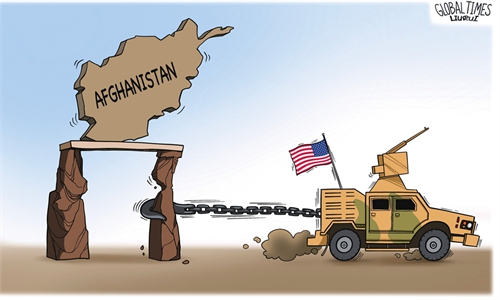
The third anniversary of the US' disastrous Afghanistan withdrawal provides a somber occasion to reflect on the consequences of the pullout on regional security and global stability, and more importantly to contemplate the way forward.
The US has never been a true friend to India.
The present Marcos administration in the Philippines may seem pro-US but it may not be a position supported by the majority of Filipinos. Previous Philippine governments were different and future governments may be different too.
Although the improvement in China-India relations has come later than expected, it has finally arrived. This is largely due to the mutual need for both sides to enhance their relationship.
The rebound and recalibration of the bilateral relations between China and Australia are a hard-won outcome which should be cherished. This progress should not be wasted by giving in to pressures from the US.
Given the differences and conflicts in their strategic goals and interests, the US-India relationship will continue to evolve and intensify amid the shifting global order, but it will never fully become a formal alliance or partnership.
Nowhere has anyone demonstrated that China poses a risk to Australia's territorial integrity. Australia's economic welfare is built on trade with China; it's not a risk, it's a bonus.
There are hopeful signs suggesting that there likely will be a reset in India-China relations in the coming months.
It is not the right policy to invite a foreign power to deploy foreign bases and troops in one's territory for external defense because the foreign power has enemies, which will soon become your enemies.
The US is trying to use the Philippines to disunify and weaken the unity and solidarity of ASEAN. They are using the Philippines to discredit ASEAN, saying ASEAN is not helpful in the claims of the Philippines over the South China Sea. The US have no good intentions for ASEAN
In the "ASEAN Perspective on the South China Sea" series, we collect wisdom and insights from former diplomats and scholars from ASEAN member countries. In an interview with Global Times (GT) reporter Su Yaxuan, Hassan Wirajuda (Wirajuda), former foreign minister of Indonesia, said that no country, including China, wants to see an area of potential conflict develop into open conflict, which would ultimately harm all involved, especially since countries in the East Asian region are closely interconnected.
It is expected that India under Modi's third term will not be soft and accommodating on China. If China engages with India skillfully, things will improve: Indian scholar
In the coming five years, the border issue will not become a bigger disturbance between China and India. The real issue is that India and China still do not fully understand each other, and this requires much more engagement.
For many, SAARC has long been a failed and brain-dead cause. To a large extent, the redemption of SAARC now depends on the strong desires of the new governments in South Asia. But the most crucial ingredient in rebooting the regional cooperation is in the hands of New Delhi.
How the US balances ideological differences with India and utilizes India as a vanguard against China will, to some extent, determine the direction of India-China relations.
ASEAN's inclusivity, the "ASEAN way" of doing things, its propensity to engage with different actors, to look for common areas of cooperation rather than magnify areas of difference, have served the region well.
The Philippine action of aiming guns at the CCG during this incident is a significant move with clear wartime implications.