As European companies' profitability and global competitiveness become increasingly tied to their Chinese operations, they are making long-term commitments with billions in new investments, despite some European politicians calling for reduced dependence.
The debates surrounding the EU's CBAM serve as a critical reminder that the credibility and effectiveness of any cross-border climate instrument depend on its perceived fairness and cooperative design.
US tech and AI companies are increasingly using open-source AI models from China, prompting wide discussion in the industry. This market-driven trend highlights how technological progress advances through open collaboration.
Rather than "making trade impossible," China is making it more dynamic and mutually beneficial, creating unprecedented opportunities for countries around the world through its evolving import demand and unwavering commitment to openness.
The alignment between GCC's urgent demand and China's technological supply has turned potential cooperation into an inevitable and flourishing partnership. Chinese technologies are deeply integrated into the Middle East's digital transformation journey.
New car sales in Europe rose 4.9 percent in October as electric cars outpaced registrations for gasoline- and diesel-powered vehicles, Reuters reported on Tuesday, citing data from the European Automobile Manufacturers' Association. The figures point to a noteworthy trend: the steady expansion of electric vehicle (EV) registrations has supported the overall increase in sales of new cars, indicating a clear positive relationship between the two.
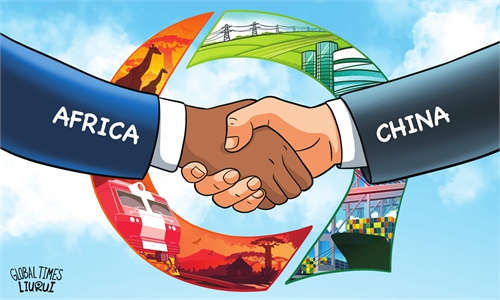
The joint launch of the Initiative on Cooperation Supporting Modernization in Africa by China and South Africa during the 20th Group of 20 (G20) Summit is significant, partly for what it reveals about how developing countries are thinking about modernization in the 21st century. According to the Xinhua News Agency, the two sides have welcomed Chinese modernization as a new option for the modernization of the Global South, including Africa.
The ongoing 23rd 2025 Guangzhou International Automobile Exhibition, taking place from November 21 to 30, offers a useful vantage point on how global carmakers are adjusting their strategies in an evolving Chinese electric vehicle (EV) market.
Northwest China's Shaanxi Province is emerging as a trade growth driver to watch. In the first 10 months of the year, total imports and exports reached 420.95 billion yuan ($59.16 billion), up 12.2 percent year-on-year, according to a report by Shaanxi Daily. Trade by foreign-invested enterprises grew even faster, surging 19.5 percent to 242.67 billion yuan, highlighting a subtle but meaningful adjustment of global supply chains toward China's interior.
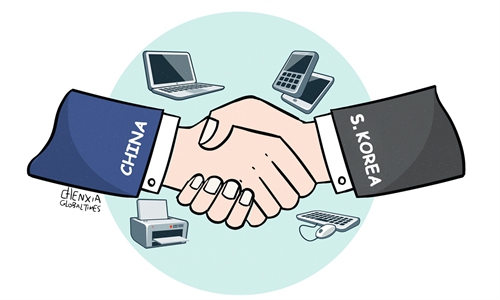
Discussions about industrial competition with China have been intensifying in South Korea, reflecting a certain anxiety across government and business circles. South Korean Deputy Prime Minister and Minister of Economy and Finance Koo Yun-cheol said at a press conference on Wednesday that China is catching up with South Korea extremely fast in the semiconductor sector, the Yonhap News Agency reported.
In a strawberry field in Dandong, Northeast China's Liaoning Province, rows of plants grow steadily under the sunlight. At first glance, it may seem like routine farming, yet each fruit reflects a complex interplay of technology, logistics, and streamlined customs processes. Together, these elements offer a window into how China's agricultural sector is experimenting with modernization - enhancing production efficiency while linking local farms more systematically to international markets.
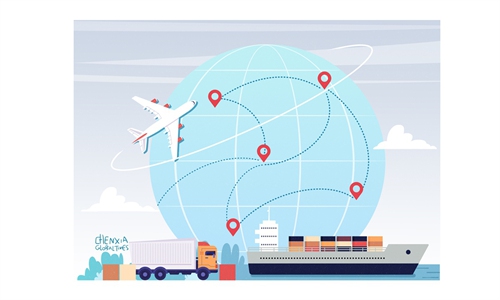
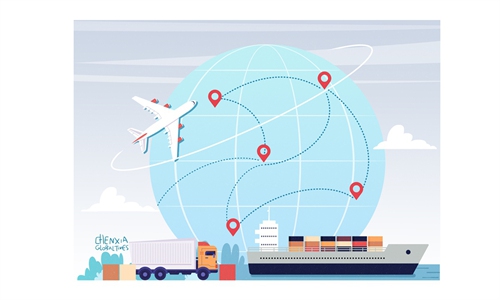
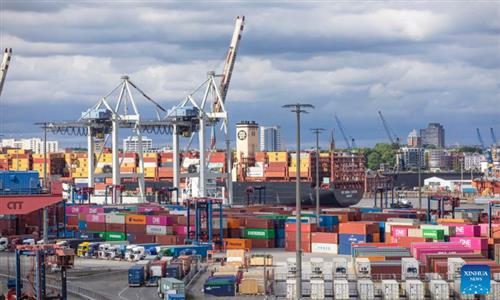
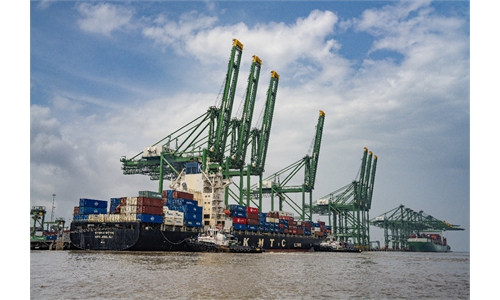
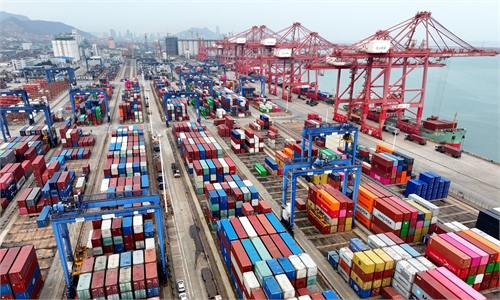
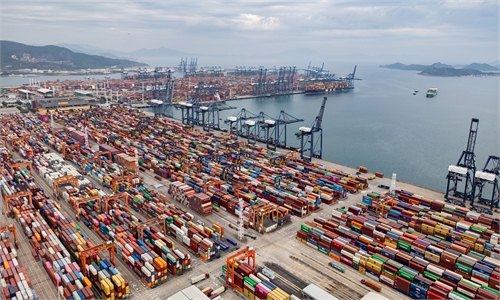
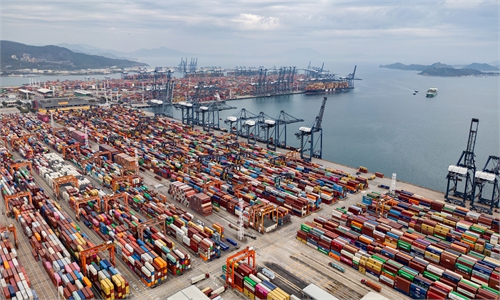
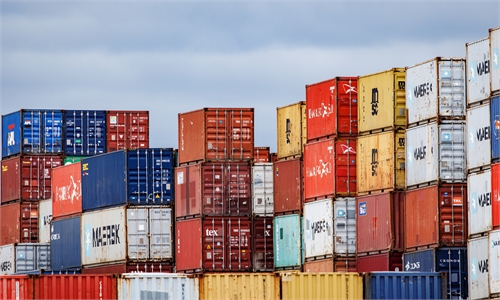
As Germany's largest port and a crucial sea-rail intermodal hub in Europe, the Port of Hamburg has become the most vivid testament to the close trade links between China and Germany.
The World Energy Outlook 2025, released by the International Energy Agency (IEA) on Wednesday, presents a detailed assessment of global energy trends at a moment of mounting transition pressures. Among its extensive findings, two realities stand out: about 730 million people still live without electricity, even as climate risks intensify. Considered together, these figures expose a defining tension for the global economy - the expansion of electricity supply, now essential to economic inclusion and technological progress, can no longer be pursued in isolation from the imperative to decarbonize power generation.
China's growing exports to Europe have again drawn public attention. A European Central Bank study, released on Tuesday, suggested that "weak domestic demand appears to be the missing link in explaining China's strong exports to Europe." This assessment misreads the evolution of China's economy and risks reinforcing outdated assumptions about global trade dynamics. Rather than signaling an imbalance, China's export momentum may instead point to the emergence of new, mutually beneficial opportunities for economic cooperation between China and the EU.
For a high-end equipment product to gain a foothold in highly competitive markets like Europe's, it must possess comprehensive competitive advantages. To reduce this achievement to “relying on low prices” is to ignore the efforts behind China's industrial rise.
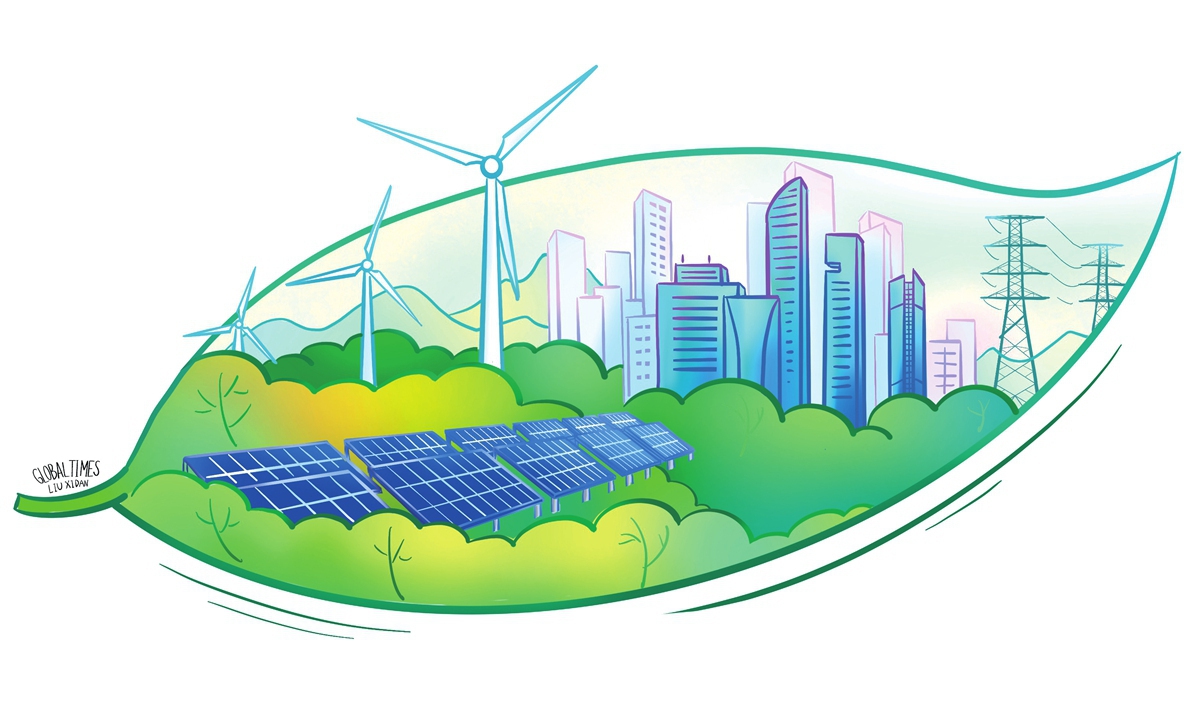
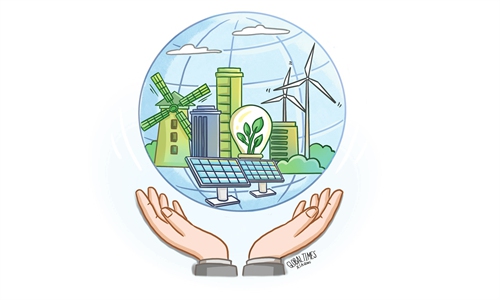
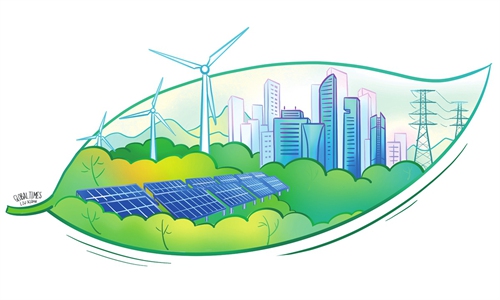
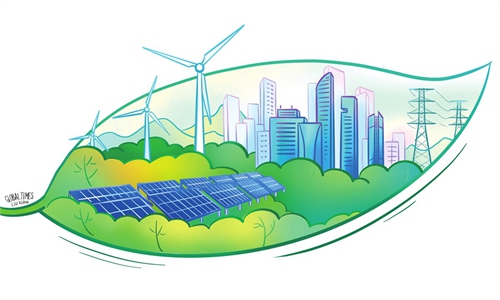
Amid the global wave of green transformation, Chinese businesses have emerged as a pivotal force driving progress through technological innovation.
In the first week following the rollout of Hainan's new duty-free shopping policy, Haikou Customs recorded 506 million yuan ($71 million) in duty-free sales, a robust increase of 34.86 percent year-on-year, the Guangming Ribao reported on Sunday.
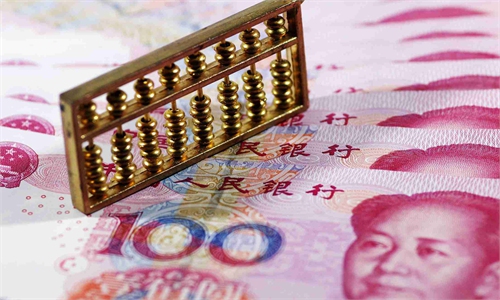
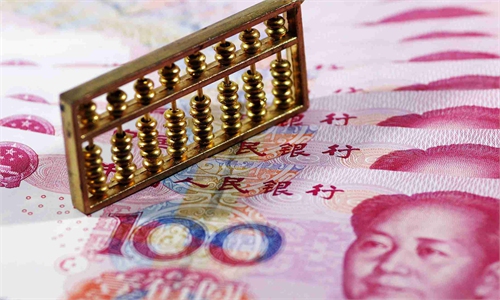
The International Air Transport Association (IATA) announced on Wednesday that it will add the yuan as one of the settlement currencies available to airlines and other suppliers through the IATA Clearing House (ICH), another solid step in the currency's internationalization.
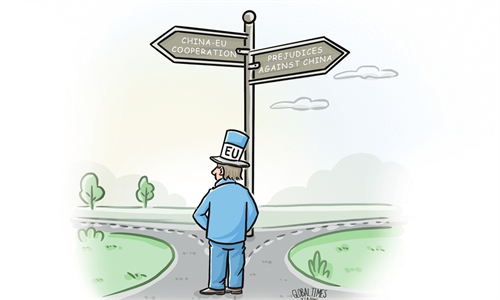
China and the EU share a consensus on advancing the global climate agenda, recognizing climate change as an existential threat that calls for joint action, which provides a solid foundation for lasting climate cooperation.
With the 2025 World Internet Conference Wuzhen Summit set to take place in East China's Zhejiang Province from November 6 to 9, the Global Internet Competition of "Straight to Wuzhen," one of the key components of the summit, has drawn significant attention.
As the annual Double Eleven shopping festival approaches, even Southwest China's Xizang Autonomous Region is seeing continued progress in delivery speed. According to a report on local news outlet xzxw.com, parcels bound for the plateau are arriving faster than ever.
As the investment situation in the South Korea has recently attracted attention, Yonhap News Agency on Sunday quoted a professor of economics at Sogang University as warning that annual investments in the US may double starting next year and if corporate capital outflows occur, they could undermine domestic investment capacity.
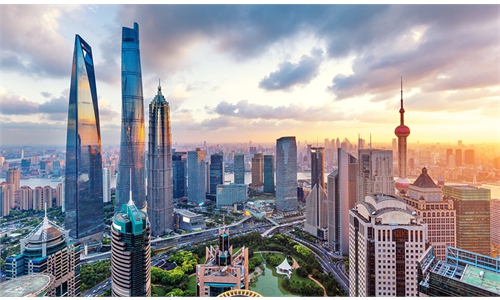
As the 8th China International Import Expo (CIIE) is on the horizon, the CIIE Bazaar has captured public attention with its unique presence. The CIIE Bazaar City Arena, located on Nanjing Road East in Shanghai, which is showing products identical to those to be exhibited at the CIIE, has drawn local residents and tourists to make purchases, the Xinhua News Agency reported on Saturday.
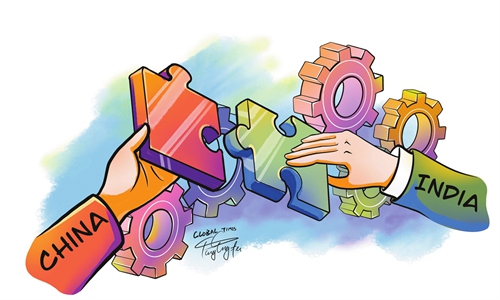
Western media outlets often frame India's manufacturing drive through a narrow lens of competition with China, overlooking how India's pursuit of industrial self-sufficiency actually opens significant opportunities for China‑India cooperation.
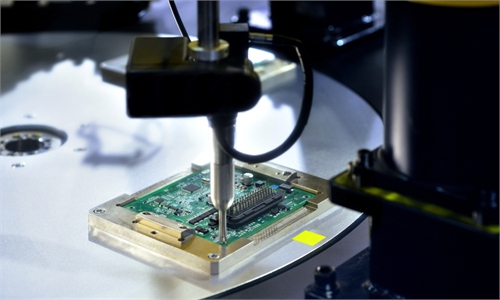
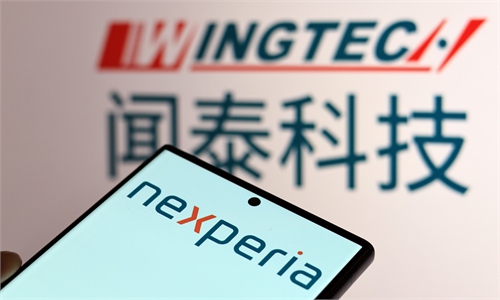
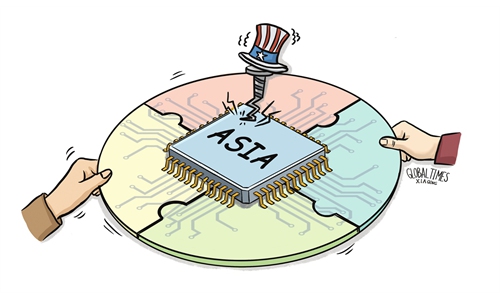
The recent actions of the Dutch government regarding Nexperia have sparked significant attention and raised concerns about the stability of the global semiconductor supply chain.
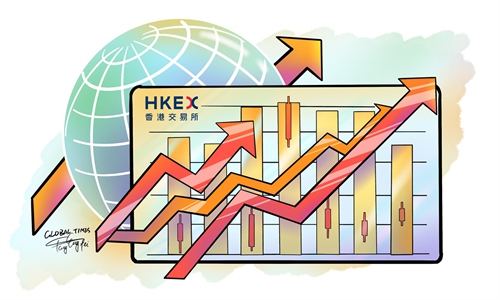
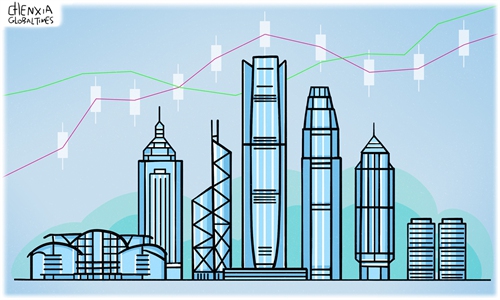
The wave of IPOs in HKSAR is not a random collection of capital; it marks milestones for these companies as they enter new stages of development and serves as a vivid microcosm of China's manufacturing sector climbing the value chain.
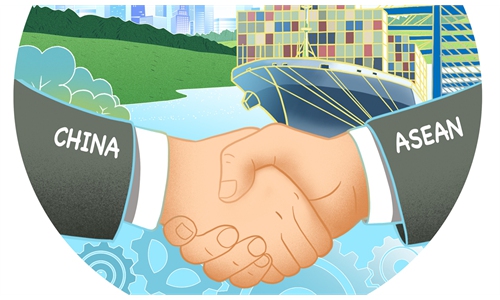
As Chinese and ASEAN leaders gather at this year's ASEAN summit this week, a planned upgrade of the China-ASEAN Free Trade Area (CAFTA) has come into the spotlight.
India's exports to China rose about 22 percent year-on-year from April to September 2025, according to the Hindustan Times. As US tariffs add uncertainty to India's trade, China's vast market continues to serve as a stabilizing force in regional trade.
President Xi Jinping's governance philosophy and vision on economic development is centered on the people, and this people-centered approach charts the course for China's high-quality growth. The results of the people-centered endeavors in various fields are embodied in President Xi's economic thought.
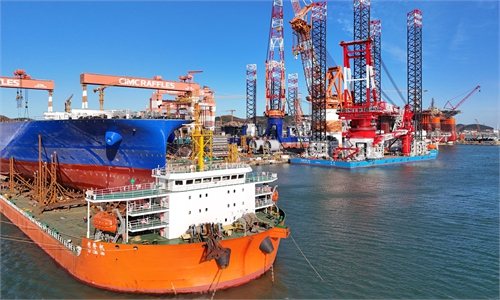
China State Shipbuilding Corp (CSSC) said on Thursday that the country's first self-developed large dual-fuel RoPax ship - which is designed to transport cargo and passengers - for export, built by CSSC's subsidiary Guangzhou Shipyard International Co, was delivered in Nansha in Guangzhou, South China's Guangdong Province, according to CCTV News. Powered by both fuel oil and cleaner liquefied natural gas, the ship features fully independent intellectual property rights.
In contrast to Japan's lackluster exports to the US, exports to East Asian markets demonstrate remarkable resilience. Behind a 5.8 percent rise in exports to China lies enormous demand potential, pointing to economic complementarity within the East Asian region.
The close ties between European pharmaceutical companies and Asia's supply chains are rooted in profound industrial logic. Concerns about “risks” reflect a misunderstanding of the industry's global division of labor.
The sudden surge in orders from US humanoid robot producers bears a striking resemblance to the panic buying by US companies during the last round of trade frictions. It not only underscores the inextricable ties between Chinese and US industrial chains but also highlights the deeply intertwined complementary structure they have formed within the global industrial ecosystem.
The 22nd China International Agricultural Trade Fair is a showcase for achievements in agricultural technology, vividly illustrating how innovation is becoming a key driving force for the modernization of China's agriculture.
Building on the solid achievements during the 14th Five-Year Plan (2021-25) period, China's economy is entering a critical stage for high-quality development to be guided by the 15th Five-Year Plan (2026-30).
As China makes progress toward its long-term development goals, the forthcoming 15th Five-Year Plan (2026-30) will mark a decisive stage in transforming the world's second-largest economy into a global leader of high-quality, innovation-driven, and people-centered development.
If EU fails to adjust its chip strategy in a timely manner, such as by strengthening internal integration and pursuing external cooperation, it will jeopardize its standing in the global chip industry competition.
China's progress in intellectual property is contributing to global innovation, but rising geopolitical tensions and trade barriers challenge the world economy. Whether tech progress benefits all will hinge on rules-based cooperation.
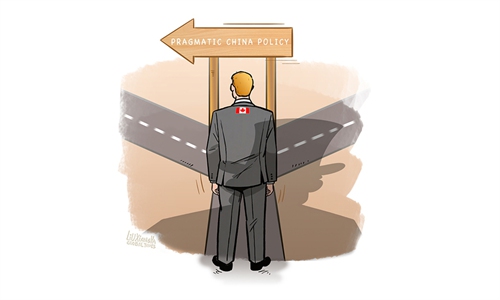
If Ottawa takes concrete steps to remove discriminatory measures and engage in negotiations with Beijing in a sincere manner, China-Canada trade could quickly overcome current obstacles.
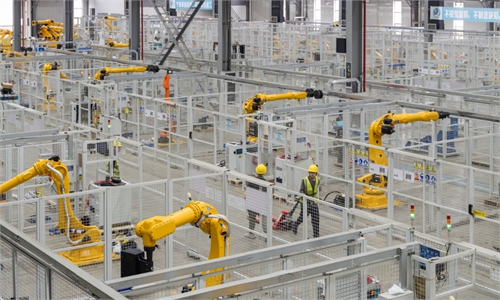
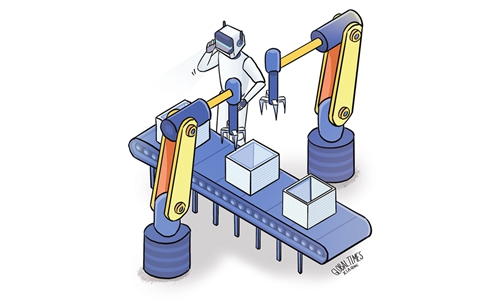
China's industrial robot exports jumped 54.9 percent in the first three quarters of this year, Wang Jun, deputy administrator of the General Administration of Customs (GAC), said at a press conference held in Beijing on Monday.
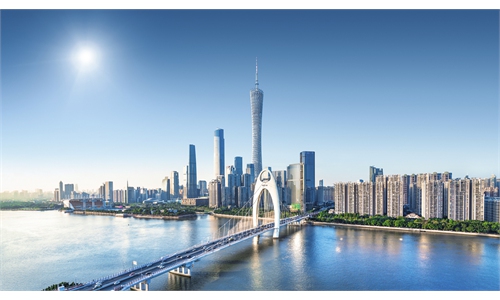
China continues to expand trade openness, showing resilience despite global uncertainty. A small change like Guangzhou metro's “tap-and-go” system reflects a broader commitment to facilitating international business.
The record-breaking surge in gold prices signals deepening uncertainty in the global economy and rising international demand for safe-haven assets. Amid this global search for security, the certainty offered by China's economy has become increasingly prominent.
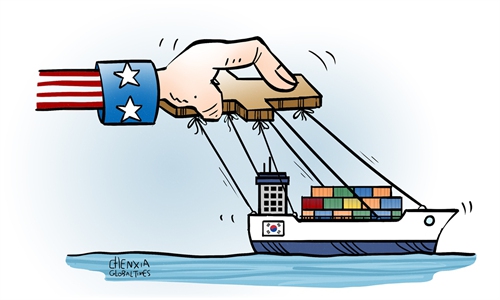
As the date for the US' planned port fees on so-called China-linked vessels approaches, concerns are mounting within the global shipping industry regarding uncertainties and additional costs. With about one week to go until the US imposition of port fees, scheduled for October 14, the move is expected to cost the top 10 carriers $3.2 billion next year, a Reuters report said on Tuesday.
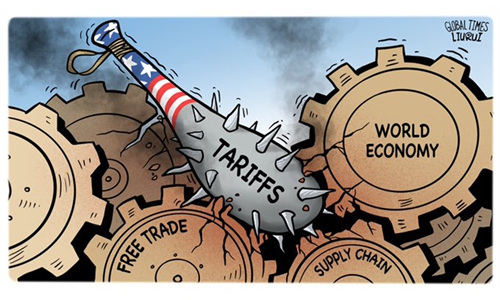
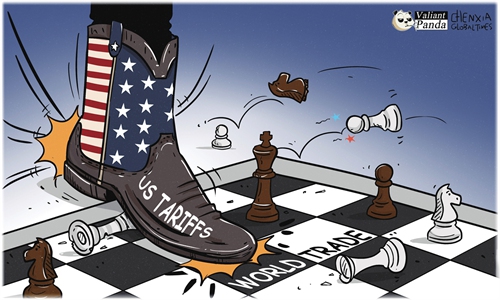
The US' erratic trade policy has seen a series of new actions recently, adding uncertainty and amplifying economic disruptions. The US announced fresh tariff measures on patented drugs and heavy-duty trucks, while the US' Department of Commerce launched a new Section 232 investigation to explore additional tariff options on the grounds of "national security." These moves have once again heightened concerns over the unpredictability of US tariff policy.
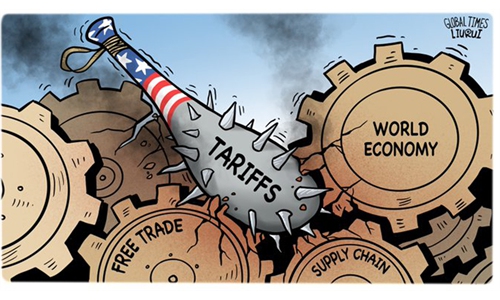
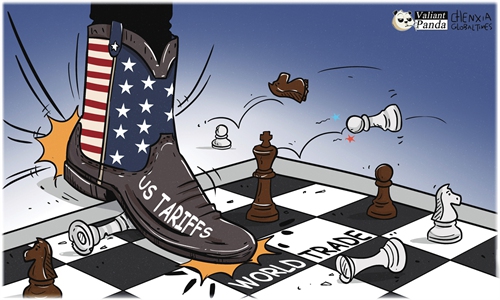
While ripple effects of US' tariff hike on global trade continue to reverberate, it seems that the US is already poised to wield a new round of tariff measures, further complicating the landscape of international commerce.
Building on better-than-expected growth seen in the first half of this year, China's economy showed more signs of marginal monthly improvement in August. Macro policy to shore up economic growth takes hold now, as the government's supportive measures are to ensure full-year economic and social development targets to be met.
In recent months, despite persistent external uncertainties and risks, China's macroeconomic performance has remained largely stable and moved steadily in a positive direction. The August economic data reaffirmed this trend, with the core indicators giving very encouraging improvement.
How many industries will face potential tariffs within the US "national security" agenda? The question has again been thrust into the spotlight with the latest move by the US Department of Commerce.
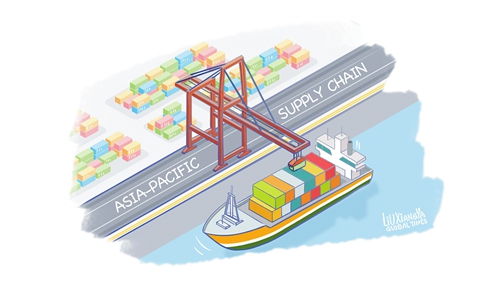
While the US tariff policy may bring short-term shocks to regional supply chains, these shocks will only force ASEAN to accelerate coordinated cooperation with other Asian economies in the long run. Rather than being derailed by unilateral US trade strategies, ASEAN's focus on diversifying partnerships and leveraging multilateral frameworks such as the RCEP will help mitigate risks while also solidifying the resilience of Asia's regional supply chains.
Trade balances should not be viewed solely through the lens of goods trade. In the realm of services trade, the EU has maintained a long-term surplus with China, with the surplus reaching as high as $50.36 billion in 2024. Whether in high-end manufacturing design and engineering services or professional services such as education and finance, European companies still hold significant advantages. This reality underscores the complementary nature of China-EU trade.
A group of eight Western venture capitalists in clean technology, following a July road trip across China where they visited factories, asserted that China's dominance has rendered Western start-ups spanning battery manufacturing and recycling, electrolysers, solar and hardware for wind uninvestable, Bloomberg reported on Monday.
The South Korean government's recent announcement of a trial visa-free entry policy for Chinese group tourists to stay for up to 15 days, starting from September 29, has drawn widespread attention from the tourism and business communities in both countries.
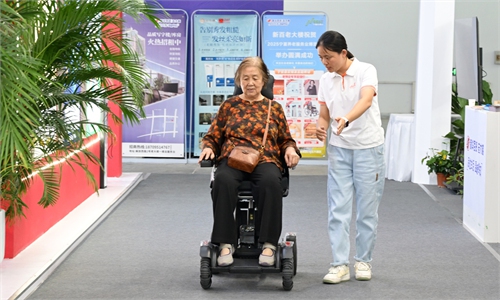
In recent years, the elderly services sector has increasingly become an important part of the silver economy. In the first half of this year, revenue from elderly tourist services grew by 26.2 percent year-on-year, signaling a shift in the silver population from simply "aging well" to actively "enjoying aging." And, the rapid rise of educational tourism for the elderly is emerging as a new blue ocean.
China's silver economy is not only transforming the lives of its senior citizens but also reshaping the global conversation about how societies should respond to demographic change. With medium-speed growth in per capita consumption, the scale of China's silver economy is projected to reach 19.1 trillion yuan ($2.68 trillion) by 2035, accounting for nearly 28 percent of total consumption, according to the Fudan Institute on Aging. Far from being a passive challenge, aging in China is being actively turned into a source of innovation, new industries, and international cooperation. This approach reflects the capacity of Chinese society to translate demographic shifts into opportunities for shared prosperity and human dignity.
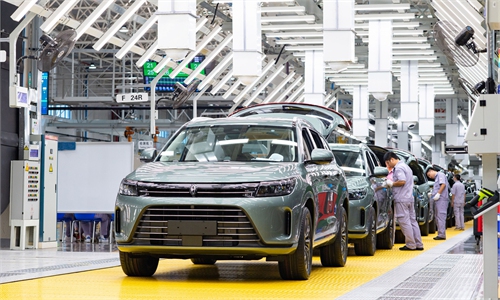
The evolving demand of China's automotive market offers a vast stage for participants ready to innovate and adapt. By aligning with the trends shaping China's auto industry, foreign automakers can tap into substantial growth opportunities.
The vitality of international port operations stems from shared development opportunities, not from any country's strategic rivalry. This is why the US' tactics against China's maritime sector are doomed to fail.
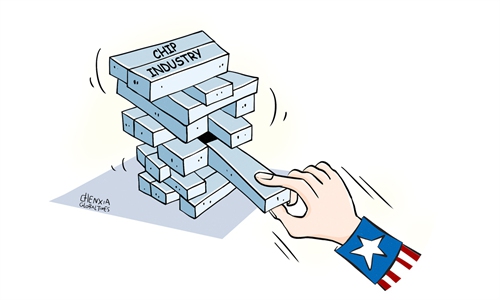
Over the years, the US has wielded chips as a weapon to curb technological advancement in other countries, including China. With all these moves, how other countries and regions can trust the security of US chips.
Outbound travel demand from China's lower-tier cities is on the rise, which reflects China's broader consumption upgrade. Global brands and destinations that respond with agility could enjoy lasting growth.
The transition from “making AI talk” to “making AI work” is the next frontier of AI commercialization. Could China, with its advantages in AI application, technology and policy support, be a global testing ground for such a transition?
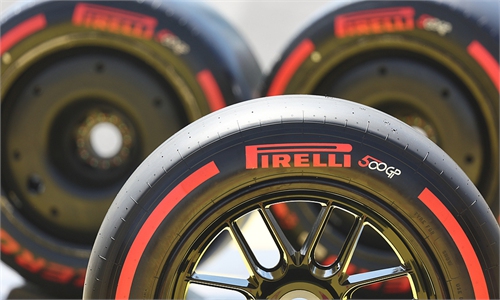
As the US ramps up pressure on Italy over tire firm Pirelli, Italy stands at a crossroads as its choice will test the nation's ability to balance pragmatic cooperation with external political pressures that risk interfering with its own economic interests and long-term development.
US regulatory pressure on South Korean chipmakers' factories in China has heightened uncertainty for an industry already grappling with the complexities of US policy shifts. The US is proposing annual approvals for exports of chipmaking supplies to Samsung Electronics' and SK Hynix's China-based factories, Bloomberg reported on Monday.
As the spillover effects of US tariffs become increasingly apparent, it is all the more essential for countries to enhance trade communication and coordination to maintain the operation of the global economic and trade order.
The 2025 China International Fair for Trade in Services (CIFTIS) is scheduled to commence on September 10 in Beijing. Before the official opening, the capital city has announced a series of preliminary consumer activities that indicate underlying economic trends deserving of closer exploration.
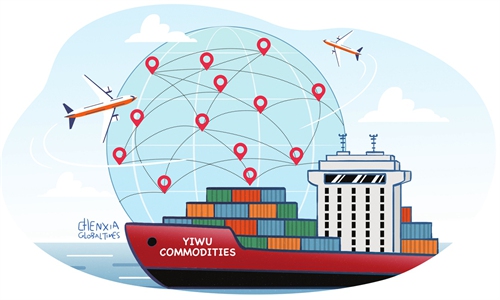
Yiwu, long known for its exports, has become one of the hubs for China's imports of European products. This provides valuable insight into the potential growth of China-Europe trade and a more balanced development.
Developing countries are moving out of dollar-denominated debt and turning to currencies with lower interest rates such as the yuan, the FT reported. Borrowing in yuan broadens the range of viable financing options, which can help reduce costs and risks more effectively for relevant countries.
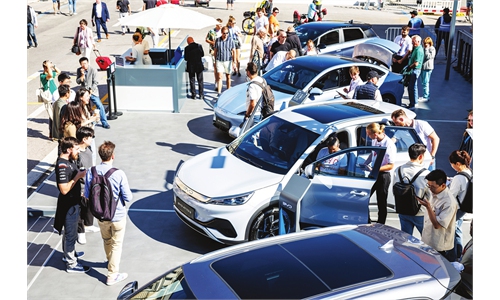
The Munich auto show is approaching. While some foreign media outlets may seize the opportunity to highlight the “competition” posed by China, it is important to recognize that behind Chinese vehicles is an evolving supply chain built on China-Europe cooperation.
One viable option for South Korea is to diversify export destinations and strengthen economic ties with markets beyond the US. By tapping into emerging opportunities in regions such as China and ASEAN, South Korea can reduce its dependency on a single market.
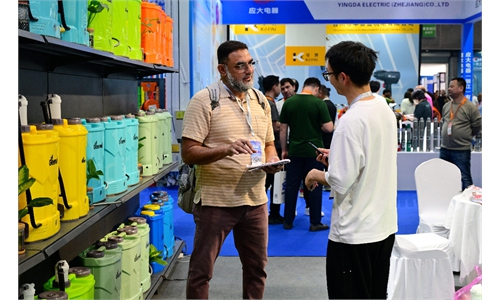
The 23rd China International Equipment Manufacturing Exposition (CIEME), scheduled for Monday in Shenyang, Northeast China's Liaoning Province, offers a valuable glimpse into the latest trends in China's manufacturing sector. This year, the event will have an increased number of international exhibitors and overseas buyers, highlighting the increasing global engagement of China's equipment manufacturing industry.
Following Nvidia's announcement of its second-quarter revenues for the period ending July 27, 2025, Fortune magazine published an article on its website headlined "Nvidia earnings beat Wall Street's sky-high expectations, but the stock is falling because 'there were no H20 sales to China-based customers'." Stock market sentiment highlights once again the importance of the Chinese market to this American chip manufacturer.
Proposals like those involving RTT over exporting AI chips to China reflect the anxiety among some US politicians regarding the rapid growth of China's chip and AI industries. Such proposals, detached from economic realities, are likely to further disrupt US chip exports and create additional burdens for American chipmakers.
On Tuesday, Bloomberg reported that the American Iron and Steel Institute (AISI) has asked the White House to intervene in Anglo American Plc's sale of its Brazilian nickel mines to MMG, a company under the control of China Minmetals Corp. This reported request highlights a recurring tendency of certain US industry groups and politicians to overly politicize the legitimate business activities of Chinese enterprises. It also underscores a disregard for market principles and established international trade norms.
The intense attention from the capital market to Chinese chip companies should not lead to underestimating the challenges that may arise. The attention is both a recognition of its achievements and an expectation for further progress.
Amid the rise of global trade protectionism, India is likely to face certain challenges in boosting its exports. In this context, enhancing both outbound and inbound investments is crucial. Such investments can significantly strengthen India's export-driven manufacturing sector, helping it withstand the impact of global trade protectionism.
RMB internationalization is a systematic solution for China to effectively address the deepening impact of geo-economic risks in the world, which also contributes to stabilizing global markets as well as the international financial system.
China and the US have agreed to extend for another 90 days the suspension of certain reciprocal tariffs on each other's goods, after the latest round of trade talks in Stockholm, Sweden. The move by the world's two largest economies holds profound implications not only for their bilateral relationship but also for global economic stability, as the extension would avert a further escalation of the trade war and provide crucial time to build a broader consensus.
The South Korean steel industry is navigating turbulent waters, but the newly announced “anti-dumping team” by the Ministry of Economy and Finance may not be the panacea it seeks. Instead, the focus should perhaps be on enhancing competitiveness through innovation and efficiency.
Japan's export-reliant economy is facing mounting challenges as its shipments to the US have reportedly declined for the fourth consecutive month, marking a noteworthy downturn in its trade performance. This persistent drop in exports to one of its largest trading partners led to the steepest fall in Japan's overall export figures in more than four years as of July, raising concerns about the resilience of Japan's economic recovery.
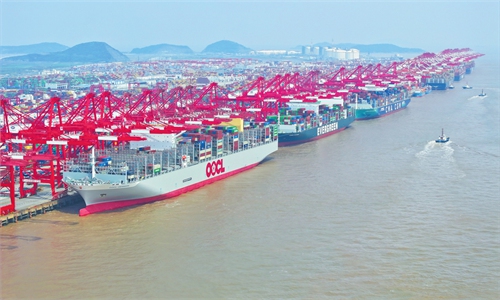
How have US tariffs affected global trade? The Port of Hamburg in Germany has provided some valuable insights with latest data. Despite a 19.3 percent decline in container throughput with the US in the first half, the port saw a 3.6-percent increase in seaborne cargo throughput and a 9.3-percent rise in overall container throughput, indicating a stable growth trend. Where did this growth come from?
The AP reported that the US is looking to South Korea and Japan for shipbuilding expertise to compete with China. Clearly, if this is true, it does not align with the interests of the shipbuilding industries in South Korea and Japan.
In an interview with Indian news agency ANI published on Sunday, US economist Jeffrey Sachs pitched for India joining the Regional Comprehensive Economic Partnership (RCEP), saying that India should be part of the RCEP, which including China, Japan, South Korea, ASEAN, Australia and New Zealand, and "that would be a very dynamic way to grow for years to come."
The record-breaking container imports from China at America's busiest gateways for Chinese goods not only demonstrate the resilience of bilateral trade but also underscore the importance of promoting a more predictable trading environment to sustain mutual benefits.
Amid a complex and volatile global economic landscape, Hong Kong is leveraging its unique advantages to reinforce its role as the “super-connector” between Chinese mainland companies and international investors.
The real dilemma of the US EV industry lies in the divergence between policy guidance and market realities. Trade policies have become shackles restricting innovation due to the excessive emphasis on “localization.”
China is the world's largest importer of soybeans, and the reported developments of its soybean industry chain have garnered significant attention, particularly against the backdrop of some international media outlets attempting to discern the latest developments in China-US trade supply chain.
China and the UK have complementary strengths in the field of new energy, and from an economic perspective, there is potential and a solid foundation for collaboration in areas like green electricity.
The US tech industry is endorsing a new plan this week called the ATOM Project, namely American Truly Open Models, which aims to win back the US lead in open-source artificial intelligence (AI) technology from China, the Washington Post reported on Wednesday.
In today's world, where economic uncertainty is on the rise globally, China is actively engaging in international cooperation by rolling out practical projects. These efforts are flexible and tailored, aligning with the specific needs of local economies, and are thus referred to by some as "small but beautiful" projects. They are making a significant contribution to helping various countries, especially developing ones, navigate the complexities of the global economic landscape.
Germany's Federal Ministry for Economic Affairs and Energy published plans on Tuesday to diversify the sourcing of crucial components used mainly in offshore wind turbines by 2035 to reduce dependency on China, part of the government's broader "de-risking" strategy, Reuters reported.
Amid intensifying global competition, the merger of China's two largest shipyards signifies not only a pivotal step toward the optimization of the industrial structure within the Chinese economy but also represents a strategic initiative aimed at bolstering competitiveness on the international stage.
The US government's broad tariffs and protectionist measures, as officials have repeatedly claimed, aim to safeguard domestic industries, including the vital US auto sector. However, mounting signs suggest these policies are increasingly harming, rather than bolstering, these industries.
By placing connect at the forefront of its APEC agenda, South Korea seems to recognize the urgent challenges that Asia-Pacific economies are facing. At the Digital & AI Ministerial Meeting of APEC, efforts should focus on enhancing AI connectivity.
Given the external pressures and uncertainties facing China's economy this year, the Communist Party of China (CPC) Central Committee Political Bureau meeting on Wednesday emphasized the general principle of seeking progress while maintaining stability to realize major priorities such as stabilizing employment, businesses, markets, and expectations.
The Communist Party of China (CPC) Central Committee Political Bureau meeting on Wednesday analyzed and studied the current economic situation and made arrangements for economic work in the second half of this year, Xinhua News Agency reported.
In light of the increasingly uncertain external market, the imperative to foster intra-regional markets, particularly through the China-ASEAN Free Trade Area, ASEAN Plus Three countries, and RCEP frameworks, has become more pressing than ever.
While US withdrawal raises questions about the future of international climate cooperation, it is crucial to recognize that as the urgency of climate change will not diminish, the multilateral efforts to combat climate change will persist.
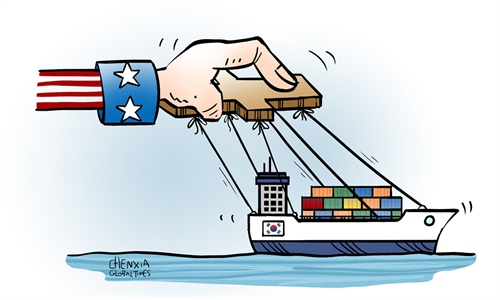
South Korea's offer of a multibillion-dollar shipbuilding investment package in the US, dubbed "Make American Shipbuilding Great Again" (MASGA), has attracted attention in the global shipbuilding industry.
While the US-EU trade agreement may have averted an immediate transatlantic trade war, European automakers remain under significant pressure as tariff costs continue to undermine their competitiveness.
By relying on its strong manufacturing foundation and rich application scenarios, China is efficiently converting the technological potential of AI into real productivity improvements and economic growth momentum.
As the world's two largest economies, China and the US have both benefited greatly from bilateral economic and trade cooperation. While two-way trade and investment bring tangible benefits to businesses and consumers in both countries, the unilateral US tariffs and trade restrictions have significant negative impacts. Given the mutual advantages of their relationship, it is in Washington's interest to adopt a more rational approach in pursuing its trade policy toward China.
China's second quarter 2025 GDP growth of 5.2 percent, 5.3 percent for the first half-year as a whole, exceeded the expectations in much of the Western media, given international economic turbulence.