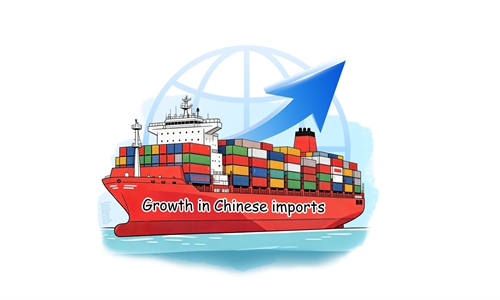
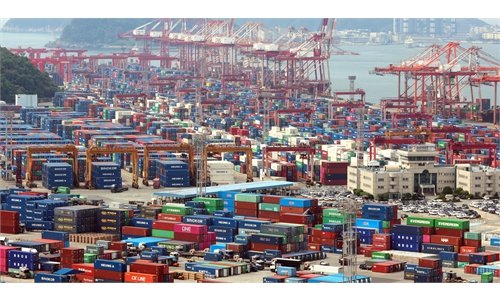
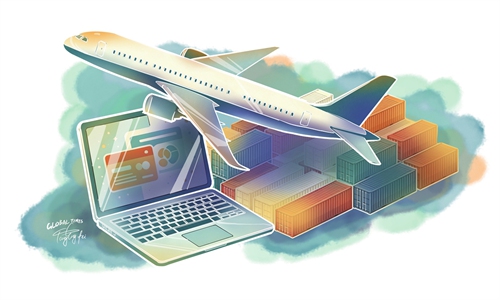
Yiwu, the export-driven city in East China's Zhejiang Province, is seeing a noteworthy rise in activity from a different direction: imports. On Wednesday, Yiwu customs cleared a shipment of bonded cross-border e-commerce goods that lifted the city's full-year e-commerce import order count past 100 million for the first time, according to Yiwu Fabu. For a hub best known for its outward trade, the scale of inbound orders is notable - and signals a trend that warrants closer attention.
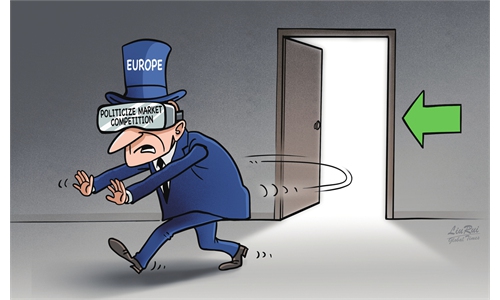
As European companies' profitability and global competitiveness become increasingly tied to their Chinese operations, they are making long-term commitments with billions in new investments, despite some European politicians calling for reduced dependence.
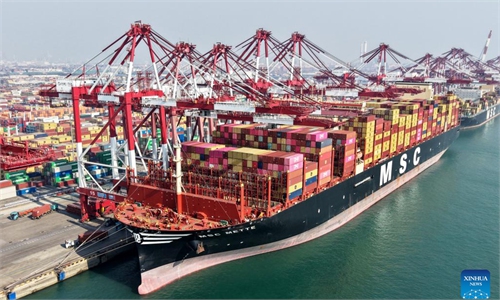
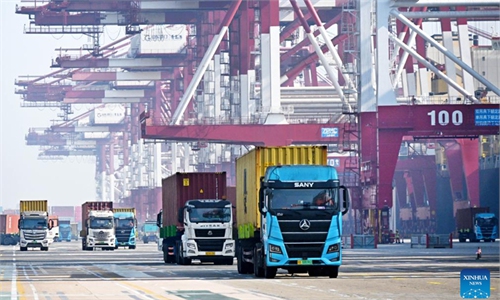
In early December, fresh Chilean cherries crossed the Pacific and arrived in China. Behind these small red fruits lies a steadily improving import system that coordinates port operations, long-haul shipping, customs clearance, and domestic distribution. More than a seasonal shipment, their journey illustrates the growing scale and sophistication of China's import logistics sector and highlights the structural forces driving its ongoing development.
The debates surrounding the EU's CBAM serve as a critical reminder that the credibility and effectiveness of any cross-border climate instrument depend on its perceived fairness and cooperative design.
Amid external technology restrictions and internal economic restructuring, the strong momentum of China's "little giants" signals that Chinese industries are entering a new stage of technology-driven, systematic innovation with growing industrial resilience.
US tech and AI companies are increasingly using open-source AI models from China, prompting wide discussion in the industry. This market-driven trend highlights how technological progress advances through open collaboration.
As World Wind Energy Conference 2025 is scheduled to convene on Wednesday in Shantou, a coastal city in South China's Guangdong Province, the event may offer a valuable vantage point for observing China's wind power industry at close range. Shantou provides a concrete example of how incremental advances in wind energy take shape on the ground, offering a clearer sense of the practical forces that guide the sector's development.
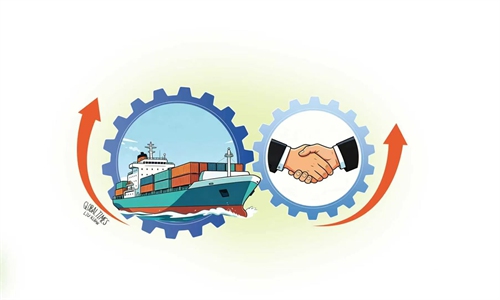
Rather than "making trade impossible," China is making it more dynamic and mutually beneficial, creating unprecedented opportunities for countries around the world through its evolving import demand and unwavering commitment to openness.
A study by the Massachusetts Institute of Technology and open-source artificial intelligence (AI) start-up Hugging Face found that the total share of downloads of new Chinese-made open models rose to 17 percent in the past year, the Financial Times reported on Wednesday, saying that China has overtaken the US in the global market for open AI models, gaining a crucial edge over how the powerful technology is used around the world.
The alignment between GCC's urgent demand and China's technological supply has turned potential cooperation into an inevitable and flourishing partnership. Chinese technologies are deeply integrated into the Middle East's digital transformation journey.
In Chongyang village, East China's Zhejiang Province, an experiment in e-commerce has become a revealing lens on a much larger transformation. According to the Xinhua Daily Telegraph, more than 50 villagers have supplemented their incomes by selling agricultural products through livestreaming; smartphones, the report notes, have effectively become a new kind of farm tool.
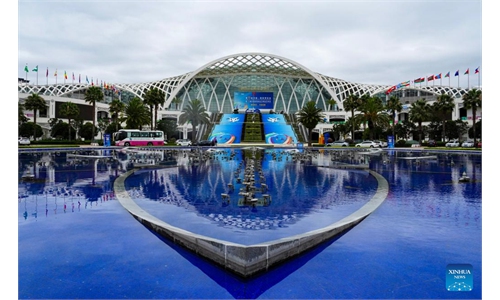
The first China (Zhejiang) Cross-Border E-Commerce Import and Export Fair is being held from Tuesday to Thursday at the Yiwu International Expo Center. The fair brings together more than 1,000 domestic and international e-commerce platforms, service providers, and source factories from more than 20 countries and regions, according to a release from Yiwu Fabu, the city's official WeChat account, on Monday.
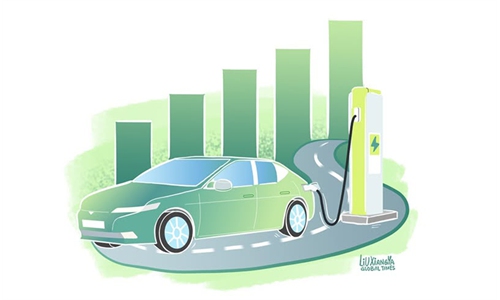
New car sales in Europe rose 4.9 percent in October as electric cars outpaced registrations for gasoline- and diesel-powered vehicles, Reuters reported on Tuesday, citing data from the European Automobile Manufacturers' Association. The figures point to a noteworthy trend: the steady expansion of electric vehicle (EV) registrations has supported the overall increase in sales of new cars, indicating a clear positive relationship between the two.
The joint launch of the Initiative on Cooperation Supporting Modernization in Africa by China and South Africa during the 20th Group of 20 (G20) Summit is significant, partly for what it reveals about how developing countries are thinking about modernization in the 21st century. According to the Xinhua News Agency, the two sides have welcomed Chinese modernization as a new option for the modernization of the Global South, including Africa.
China's ongoing consumption upgrade and economic transformation are now providing the world economy with fresh momentum amid disruptions from protectionism. This new wave of demand is allowing more regions and more sectors worldwide to benefit – extending even to niche areas such as South Korea's dried seaweed exports.
The ongoing 23rd 2025 Guangzhou International Automobile Exhibition, taking place from November 21 to 30, offers a useful vantage point on how global carmakers are adjusting their strategies in an evolving Chinese electric vehicle (EV) market.
Is a complete industrial chain the key advantage supporting Shenzhen's robust capability to cultivate unicorn companies at scale? Data from Shenzhen Fabu, the city's official WeChat account, provides evidence.
Northwest China's Shaanxi Province is emerging as a trade growth driver to watch. In the first 10 months of the year, total imports and exports reached 420.95 billion yuan ($59.16 billion), up 12.2 percent year-on-year, according to a report by Shaanxi Daily. Trade by foreign-invested enterprises grew even faster, surging 19.5 percent to 242.67 billion yuan, highlighting a subtle but meaningful adjustment of global supply chains toward China's interior.
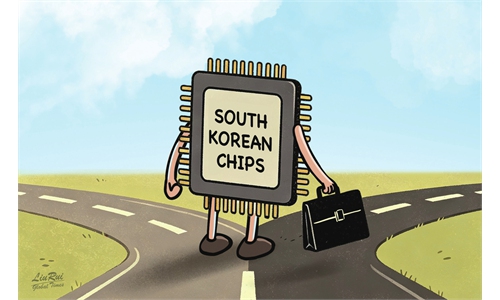
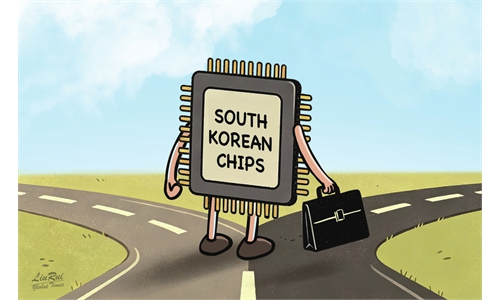
Discussions about industrial competition with China have been intensifying in South Korea, reflecting a certain anxiety across government and business circles. South Korean Deputy Prime Minister and Minister of Economy and Finance Koo Yun-cheol said at a press conference on Wednesday that China is catching up with South Korea extremely fast in the semiconductor sector, the Yonhap News Agency reported.
In a strawberry field in Dandong, Northeast China's Liaoning Province, rows of plants grow steadily under the sunlight. At first glance, it may seem like routine farming, yet each fruit reflects a complex interplay of technology, logistics, and streamlined customs processes. Together, these elements offer a window into how China's agricultural sector is experimenting with modernization - enhancing production efficiency while linking local farms more systematically to international markets.
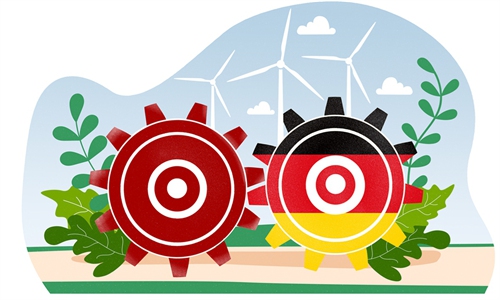
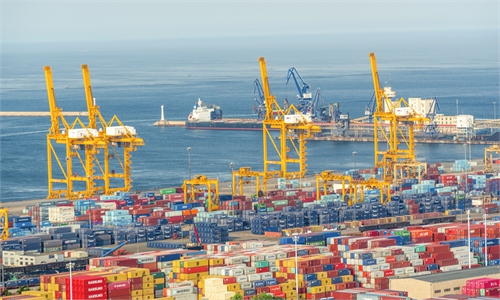
As Germany's largest port and a crucial sea-rail intermodal hub in Europe, the Port of Hamburg has become the most vivid testament to the close trade links between China and Germany.
The World Energy Outlook 2025, released by the International Energy Agency (IEA) on Wednesday, presents a detailed assessment of global energy trends at a moment of mounting transition pressures. Among its extensive findings, two realities stand out: about 730 million people still live without electricity, even as climate risks intensify. Considered together, these figures expose a defining tension for the global economy - the expansion of electricity supply, now essential to economic inclusion and technological progress, can no longer be pursued in isolation from the imperative to decarbonize power generation.
China's consumption is evolving. New trends such as emotion- and experience-driven spending are creating growing opportunities for global brands ready to adapt. For international businesses, it is unwise to be swayed by some foreign media outlets' pessimistic portrayals. Instead, the key lies in truly understanding the new development of China's consumer market.
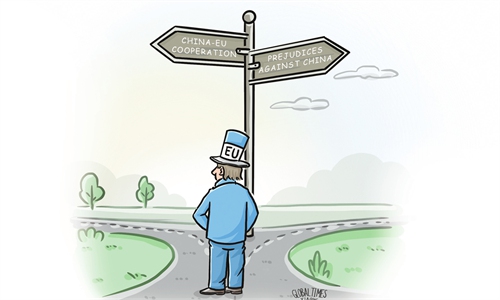
China's growing exports to Europe have again drawn public attention. A European Central Bank study, released on Tuesday, suggested that "weak domestic demand appears to be the missing link in explaining China's strong exports to Europe." This assessment misreads the evolution of China's economy and risks reinforcing outdated assumptions about global trade dynamics. Rather than signaling an imbalance, China's export momentum may instead point to the emergence of new, mutually beneficial opportunities for economic cooperation between China and the EU.
The "tech content" of China's capital market is climbing rapidly, signaling a deeper transformation in the country's economic structure. The market's total capitalization has reached 107.32 trillion yuan ($15.08 trillion), with the electronics industry surpassing the banking sector to become the largest, accounting for 12.42 percent of the total - nearly 3 percentage points higher than at the beginning of the year, the Economic Daily reported on Wednesday.
For a high-end equipment product to gain a foothold in highly competitive markets like Europe's, it must possess comprehensive competitive advantages. To reduce this achievement to “relying on low prices” is to ignore the efforts behind China's industrial rise.
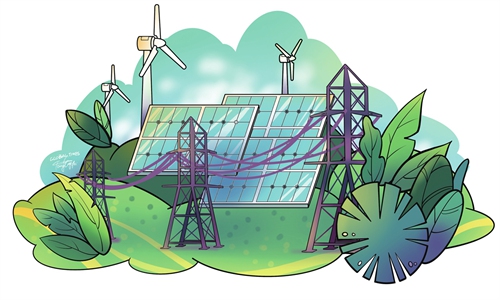
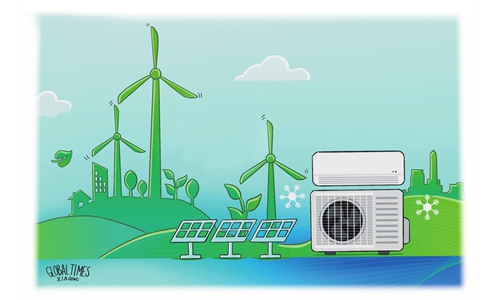
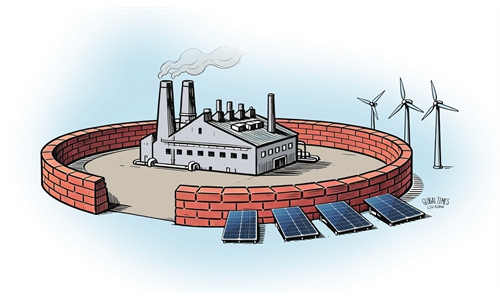
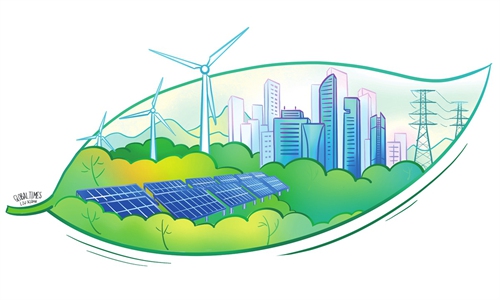
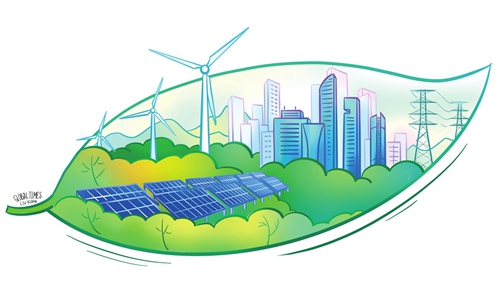
Amid the global wave of green transformation, Chinese businesses have emerged as a pivotal force driving progress through technological innovation.
Once a domestic shopping festival, China's Double 11 now straddles two fronts - driving massive sales at home while testing the reach of its cross-border e-commerce network. According to the Xiamen Daily on Monday, the city's cross-border e-commerce supervision center is in its peak export season. Inside the facility, conveyor belts run at full speed as boxes of shoes, apparel, and home goods move through inspection and customs clearance. Each step, from order verification to release, demonstrates how efficiently Chinese products are reaching consumers worldwide.
In the first week following the rollout of Hainan's new duty-free shopping policy, Haikou Customs recorded 506 million yuan ($71 million) in duty-free sales, a robust increase of 34.86 percent year-on-year, the Guangming Ribao reported on Sunday.
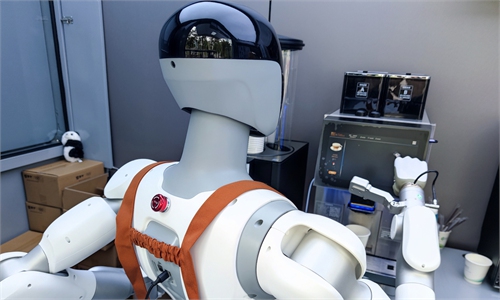
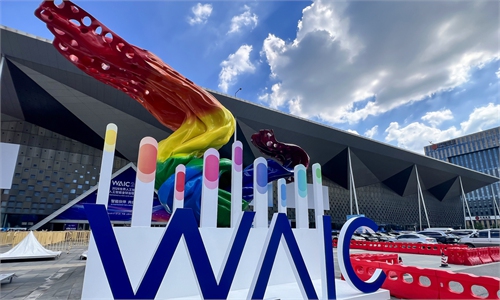
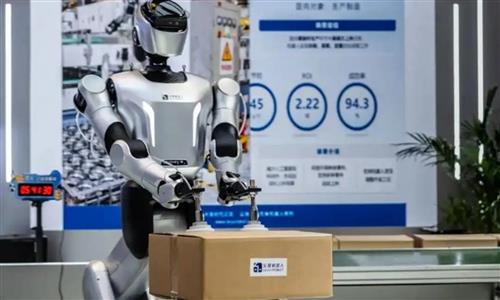
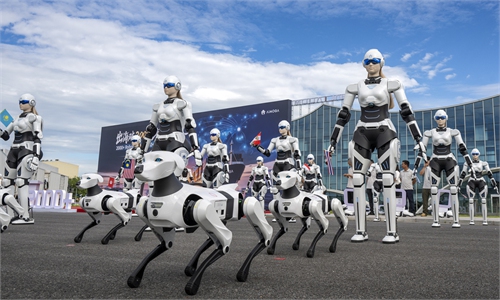
The 2025 China Robot Industry Development Conference is scheduled to be held in Shanghai from Monday to Wednesday, according to a notice posted on the China Machinery Industry Federation's WeChat account on Sunday. The conference will bring together enterprises, research experts, and industry associations to discuss frontier technologies in robotics, artificial intelligence (AI), and industrial innovation.
The International Air Transport Association (IATA) announced on Wednesday that it will add the yuan as one of the settlement currencies available to airlines and other suppliers through the IATA Clearing House (ICH), another solid step in the currency's internationalization.
The artificial intelligence (AI) wave is reshaping business operations and growth worldwide. While automation has led to structural adjustments in corporate employment, the expansion of AI-related business is simultaneously creating new sources of revenue growth and generating new job opportunities.
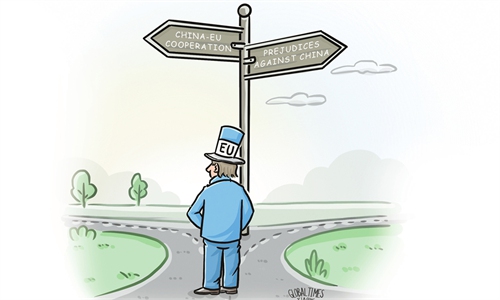
China and the EU share a consensus on advancing the global climate agenda, recognizing climate change as an existential threat that calls for joint action, which provides a solid foundation for lasting climate cooperation.
The 2025 6G Development Conference will be held on November 13 and 14 in Beijing, focusing on the creation of a unified global 6G standard and building an open and inclusive 6G innovation ecosystem, the Xinhua News Agency reported. The event will bring together domestic and international experts, representatives of international standards organizations and renowned entrepreneurs to foster global cooperation and exchange.

With the 2025 World Internet Conference Wuzhen Summit set to take place in East China's Zhejiang Province from November 6 to 9, the Global Internet Competition of "Straight to Wuzhen," one of the key components of the summit, has drawn significant attention.
As the annual Double Eleven shopping festival approaches, even Southwest China's Xizang Autonomous Region is seeing continued progress in delivery speed. According to a report on local news outlet xzxw.com, parcels bound for the plateau are arriving faster than ever.
As the investment situation in the South Korea has recently attracted attention, Yonhap News Agency on Sunday quoted a professor of economics at Sogang University as warning that annual investments in the US may double starting next year and if corporate capital outflows occur, they could undermine domestic investment capacity.
South China's Guangdong Province on Monday unveiled a new plan to promote tourism, which includes an eye-catching component - technological industry tours. The initiative aims to design high-quality travel routes that connect the region's leading universities, research institutes, technology parks, and major infrastructure projects, offering visitors hands-on experiences with frontier innovations such as artificial intelligence (AI), drones, and autonomous driving.
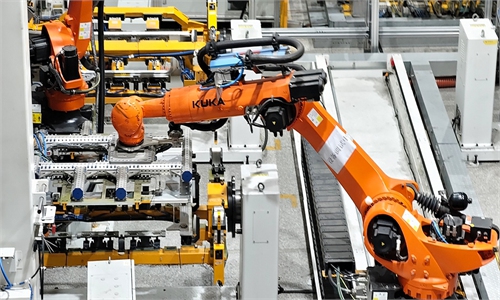
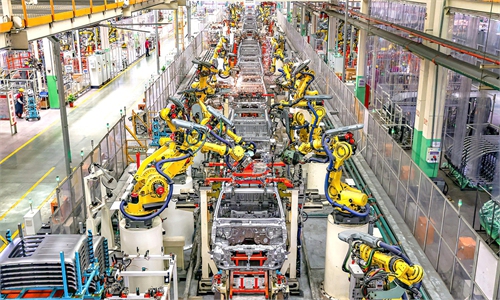
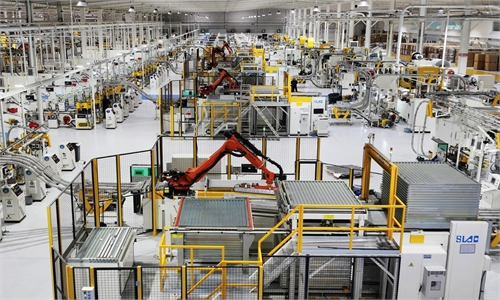
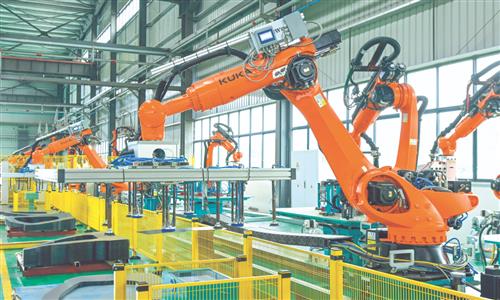
In the first three quarters of this year, China's high-tech manufacturing sector saw a striking surge in industrial robot production. According to a Sunday report by CCTV News, from January to September, China produced 595,000 industrial robots - surpassing the total output for all of last year. Beneath these numbers lies a broader transformation in Chinese manufacturing, driven by the accelerating adoption of automation and advanced machinery. As competition intensifies and production standards rise globally, factories in China are turning to robotics to enhance efficiency, improve precision, and strengthen their resilience in an increasingly demanding market.
As the 8th China International Import Expo (CIIE) is on the horizon, the CIIE Bazaar has captured public attention with its unique presence. The CIIE Bazaar City Arena, located on Nanjing Road East in Shanghai, which is showing products identical to those to be exhibited at the CIIE, has drawn local residents and tourists to make purchases, the Xinhua News Agency reported on Saturday.
Western media outlets often frame India's manufacturing drive through a narrow lens of competition with China, overlooking how India's pursuit of industrial self-sufficiency actually opens significant opportunities for China‑India cooperation.
An expo on the senior care industry, currently taking place in Beijing, offers a vivid glimpse into China's expanding silver economy.
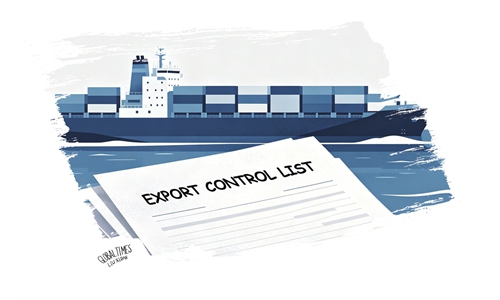
The recent actions of the Dutch government regarding Nexperia have sparked significant attention and raised concerns about the stability of the global semiconductor supply chain.
While some foreign media outlets claim that China's domestic consumption is sluggish, a closer look tells a different story. From the rise of experience-driven hobbies like fishing to broader lifestyle spending, China's young middle class is reshaping markets with emotion-driven, experience-focused consumption.
The wave of IPOs in HKSAR is not a random collection of capital; it marks milestones for these companies as they enter new stages of development and serves as a vivid microcosm of China's manufacturing sector climbing the value chain.
More than 100 overseas buyers reportedly arrived in Yiwu, China's hub for small commodities, on a charter flight from Guangzhou following their visit to the 138th Canton Fair. News site zjol.com reported on Tuesday that the group will spend the coming days exploring the newly opened Global Digital Trade Center - Yiwu's sixth-generation marketplace - and participating in cross-border procurement events. The trip linking the Canton Fair and Yiwu offers a glimpse into the multiple dimensions of China's foreign trade, where large-scale manufacturing exhibitions, digital commerce platforms, and other channels increasingly complement one another within an integrated ecosystem.
As Chinese and ASEAN leaders gather at this year's ASEAN summit this week, a planned upgrade of the China-ASEAN Free Trade Area (CAFTA) has come into the spotlight.
Not long ago, Shantou's Chenghai district, located in South China's Guangdong Province, received its first "foreign business charter flight," carrying buyers from 14 countries, including Argentina, Belarus, India, and Egypt, CCTV News reported on Monday. On the surface, the attraction seems straightforward: toys. Yet the appeal goes deeper, reflecting the scale and integrative strength of China's manufacturing industry.
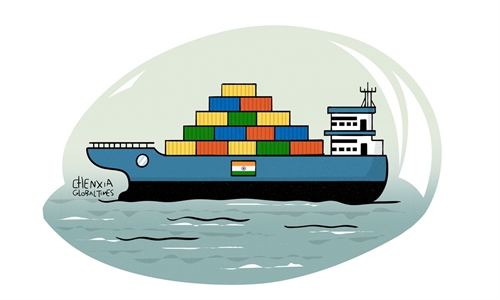
India's exports to China rose about 22 percent year-on-year from April to September 2025, according to the Hindustan Times. As US tariffs add uncertainty to India's trade, China's vast market continues to serve as a stabilizing force in regional trade.
As temperatures drop across northern China, many seniors are once again embarking on their annual "migratory bird" journey southward. According to CCTV News on Sunday, the travel peak for these "migratory seniors" began in mid-September and will continue through mid-November, with large numbers of elderly travelers flying daily to southern destinations to enjoy life in warmer climates.
President Xi Jinping's governance philosophy and vision on economic development is centered on the people, and this people-centered approach charts the course for China's high-quality growth. The results of the people-centered endeavors in various fields are embodied in President Xi's economic thought.
China State Shipbuilding Corp (CSSC) said on Thursday that the country's first self-developed large dual-fuel RoPax ship - which is designed to transport cargo and passengers - for export, built by CSSC's subsidiary Guangzhou Shipyard International Co, was delivered in Nansha in Guangzhou, South China's Guangdong Province, according to CCTV News. Powered by both fuel oil and cleaner liquefied natural gas, the ship features fully independent intellectual property rights.
The delivery of China's first self-developed large dual-fuel RoPax ship for export is more than just a single product launch; it demonstrates the solid industrial foundation and robust endogenous innovation that drive China's shipbuilding sector.
In Yiwu, long regarded as a bellwether of China's foreign trade, pearls make a digital sales journey guided by AI and smart displays. This small-scale scene offers a glimpse of how technology is reshaping China's trade and creating new opportunities for businesses worldwide.
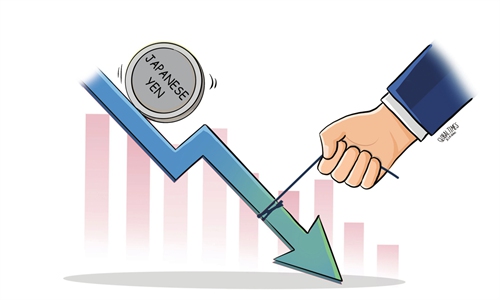
In contrast to Japan's lackluster exports to the US, exports to East Asian markets demonstrate remarkable resilience. Behind a 5.8 percent rise in exports to China lies enormous demand potential, pointing to economic complementarity within the East Asian region.
Over the coming period, some consumer electronics exhibitions are set to take place in China. Functioning both as trade platforms and as indicators of industry sentiment, these events underscore the measured evolution of China's consumer electronics sector. The steady rhythm of such exhibitions reflects a quiet confidence among manufacturers and investors that innovation-led consumption remains a viable source of momentum in the economy.
The close ties between European pharmaceutical companies and Asia's supply chains are rooted in profound industrial logic. Concerns about “risks” reflect a misunderstanding of the industry's global division of labor.
The sudden surge in orders from US humanoid robot producers bears a striking resemblance to the panic buying by US companies during the last round of trade frictions. It not only underscores the inextricable ties between Chinese and US industrial chains but also highlights the deeply intertwined complementary structure they have formed within the global industrial ecosystem.
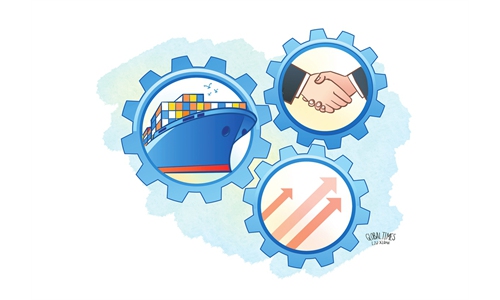
As global trade navigates one of its most unpredictable periods in recent memory, the maritime sector has once again become a barometer of the world economy's shifting tides. Against this backdrop, the 2025 North Bund Forum in Shanghai has drawn wide attention as a venue for dialogue on how to advance the development of the shipping industry amid rapid technological change and geopolitical shifts.
The 22nd China International Agricultural Trade Fair is a showcase for achievements in agricultural technology, vividly illustrating how innovation is becoming a key driving force for the modernization of China's agriculture.
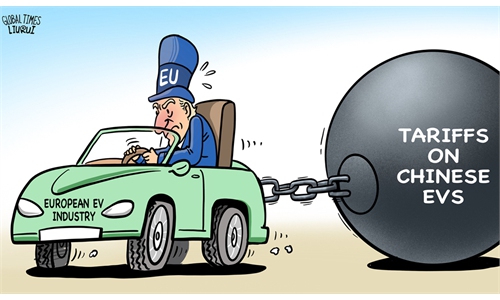
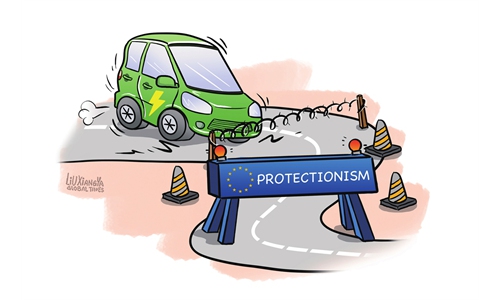
The current US administration, under its "America First" agenda, has implemented a series of unilateral tariff measures. The US government's imposition of high tariffs on Chinese automobiles and auto parts seriously violates WTO rules and widely accepted trade norms.
Building on the solid achievements during the 14th Five-Year Plan (2021-25) period, China's economy is entering a critical stage for high-quality development to be guided by the 15th Five-Year Plan (2026-30).
As China makes progress toward its long-term development goals, the forthcoming 15th Five-Year Plan (2026-30) will mark a decisive stage in transforming the world's second-largest economy into a global leader of high-quality, innovation-driven, and people-centered development.
If EU fails to adjust its chip strategy in a timely manner, such as by strengthening internal integration and pursuing external cooperation, it will jeopardize its standing in the global chip industry competition.
South Korea received $20.65 billion worth of foreign direct investment (FDI) commitments in the first three quarters of this year, down 18 percent from a year earlier, the Yonhap News Agency reported on Wednesday, citing data from the South Korean Ministry of Trade, Industry and Resources.
China's progress in intellectual property is contributing to global innovation, but rising geopolitical tensions and trade barriers challenge the world economy. Whether tech progress benefits all will hinge on rules-based cooperation.
China's fast-growing artificial intelligence (AI) industry is extending across sectors and daily life, while legal and regulatory frameworks and application advance in step. A balanced approach to innovation and regulated oversight is driving the healthy and sustainable development of the AI sector.
China's AI is expanding in the Middle East, driven by practical complementarities that benefit both sides. If, as some observers suggest, the US seeks to export its AI and restrict alternative partnerships, such efforts may face obstacles, underestimating the economic realities on the ground.
If Ottawa takes concrete steps to remove discriminatory measures and engage in negotiations with Beijing in a sincere manner, China-Canada trade could quickly overcome current obstacles.
China's industrial robot exports jumped 54.9 percent in the first three quarters of this year, Wang Jun, deputy administrator of the General Administration of Customs (GAC), said at a press conference held in Beijing on Monday.
Xinjiang's high-tech corn – planted with BeiDou and harvested at record yields – is a vivid example of how the region is advancing technological innovation and using technology-driven economic growth to overcome ideologically motivated economic pressure from some Western countries.
China continues to expand trade openness, showing resilience despite global uncertainty. A small change like Guangzhou metro's “tap-and-go” system reflects a broader commitment to facilitating international business.
The China (Guangxi) Pilot Free Trade Zone recorded a 270.3 percent year-on-year increase in foreign investment from January to August this year, CCTV News reported on Sunday. This figure stands out against the backdrop of a weak global investment climate. It highlights the free trade zone's combined strengths in location, industry and policy and shows that foreign investments are moving in response to favorable conditions, signaling that a new pattern of China's opening-up is taking shape.
The record-breaking surge in gold prices signals deepening uncertainty in the global economy and rising international demand for safe-haven assets. Amid this global search for security, the certainty offered by China's economy has become increasingly prominent.
The global journey of this tiny nut serves as a reminder that economic globalization is not an ideology, but a lived reality. At the heart of this network lies Meihekou's modern manufacturing base, sustained by continuous technological innovation and a well-developed industrial ecosystem that keeps the chain intact.
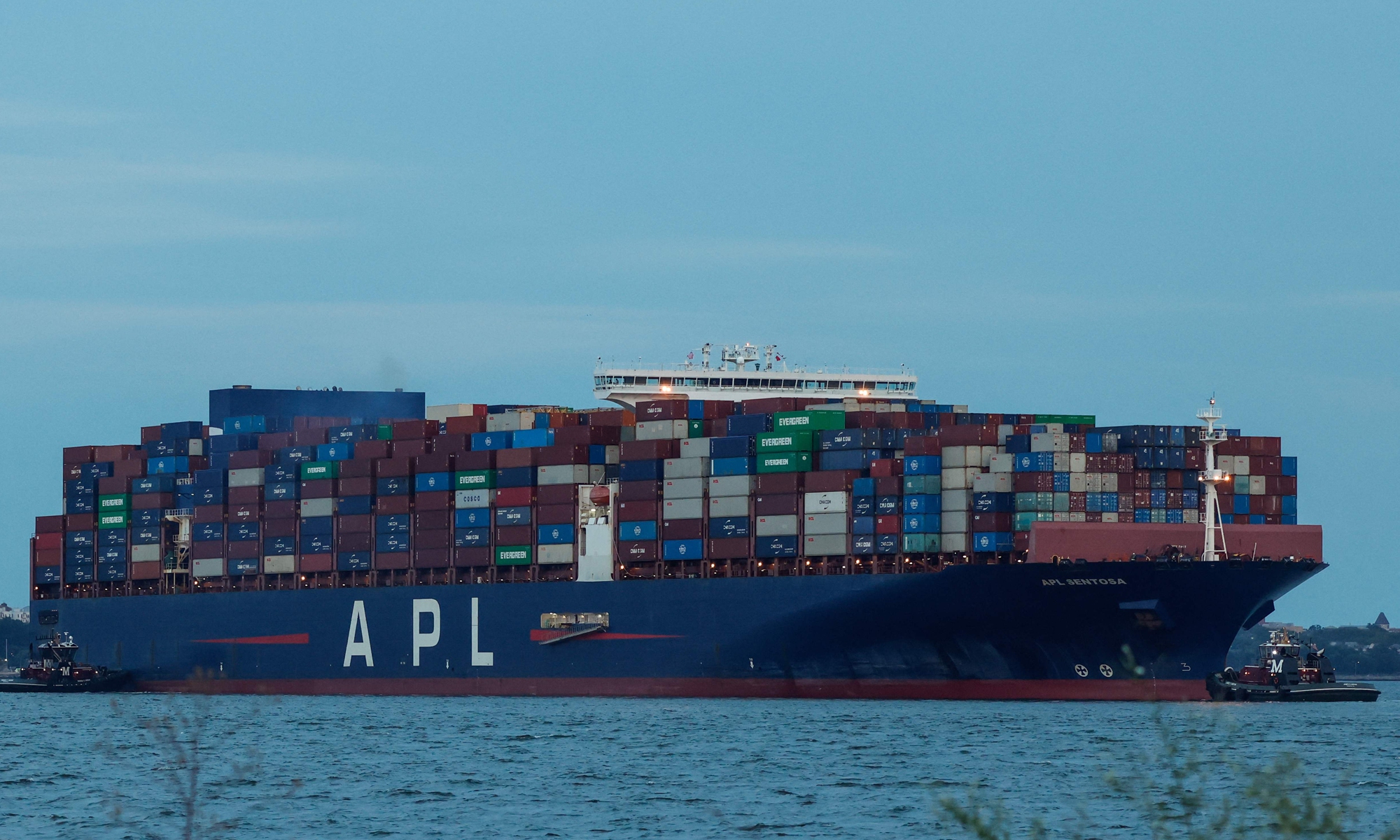
As the date for the US' planned port fees on so-called China-linked vessels approaches, concerns are mounting within the global shipping industry regarding uncertainties and additional costs. With about one week to go until the US imposition of port fees, scheduled for October 14, the move is expected to cost the top 10 carriers $3.2 billion next year, a Reuters report said on Tuesday.
During China's National Day and Mid-Autumn Festival holidays, a surge in shopping-oriented travel captured public attention. According to media reports, Shenzhen's Huaqiangbei - the city's storied electronics bazaar - became an unlikely tourist hotspot. The phenomenon, which drew travelers eager to purchase smart devices and toys powered by artificial intelligence (AI), offers a revealing glimpse into the breadth and dynamism of China's consumer-innovation ecosystem.
Recently, China announced that it would not seek new special and differential treatment (SDT) in current and future negotiations at the World Trade Organization (WTO), a statement that has drawn wide international attention. This position highlights China's role as a responsible major country. However, it is important to clarify that this does not mean China has changed its status as a developing country. China's international status as the world's largest developing country has not changed. China will always stand together with other developing countries to safeguard the multilateral trading system and the common interests of developing countries worldwide.
The US' erratic trade policy has seen a series of new actions recently, adding uncertainty and amplifying economic disruptions. The US announced fresh tariff measures on patented drugs and heavy-duty trucks, while the US' Department of Commerce launched a new Section 232 investigation to explore additional tariff options on the grounds of "national security." These moves have once again heightened concerns over the unpredictability of US tariff policy.
While ripple effects of US' tariff hike on global trade continue to reverberate, it seems that the US is already poised to wield a new round of tariff measures, further complicating the landscape of international commerce.
Across many towns in China, agriculture is driving related industries to take root. The rise of farming clusters has encouraged investment in logistics, cold storage and food processing, bringing elements of industrial development into rural areas. This gradual spread of supporting industries is reshaping local economies and giving small towns a more active role in value-added production and international trade alongside their traditional farming base.
Building on better-than-expected growth seen in the first half of this year, China's economy showed more signs of marginal monthly improvement in August. Macro policy to shore up economic growth takes hold now, as the government's supportive measures are to ensure full-year economic and social development targets to be met.
In recent months, despite persistent external uncertainties and risks, China's macroeconomic performance has remained largely stable and moved steadily in a positive direction. The August economic data reaffirmed this trend, with the core indicators giving very encouraging improvement.
The latest figures confirm that China remains the EU's largest source of high-tech products. This is not a passing development but a structural reality of the global economy, with Europe's technology supply chains increasingly intertwined with those of China. The data highlight the pressing industrial demand within Europe, while also pointing to significant untapped potential in the development of this relationship.
How many industries will face potential tariffs within the US "national security" agenda? The question has again been thrust into the spotlight with the latest move by the US Department of Commerce.
While the US tariff policy may bring short-term shocks to regional supply chains, these shocks will only force ASEAN to accelerate coordinated cooperation with other Asian economies in the long run. Rather than being derailed by unilateral US trade strategies, ASEAN's focus on diversifying partnerships and leveraging multilateral frameworks such as the RCEP will help mitigate risks while also solidifying the resilience of Asia's regional supply chains.
China, while retaining its status as a developing country, has voluntarily decided not to seek any new special and differential treatment (SDT) in current and future World Trade Organization (WTO) negotiations. This reflects China's sense of responsibility as a major country in global governance.
The rapid emergence of new occupations inevitably brings challenges, particularly for the education and training systems. Many of these roles require interdisciplinary expertise. Some fast-growing sectors are so new that instructors themselves often lack firsthand industry experience, making it harder to translate cutting-edge practices into effective teaching.
Trade balances should not be viewed solely through the lens of goods trade. In the realm of services trade, the EU has maintained a long-term surplus with China, with the surplus reaching as high as $50.36 billion in 2024. Whether in high-end manufacturing design and engineering services or professional services such as education and finance, European companies still hold significant advantages. This reality underscores the complementary nature of China-EU trade.
China's universities and research institutes are becoming more active in commercializing research, with 4,059 institutions transferring technologies through channels such as licensing and consulting in 2024. The total contract value rose by about 10 percent from the previous year, according to a report released by the National Center for Science and Technology Evaluation (NCSTE) at the Pujiang Innovation Forum 2025, as cited by the Science and Technology Daily. The figures point to a steady deepening of collaboration between academia and industry.
A group of eight Western venture capitalists in clean technology, following a July road trip across China where they visited factories, asserted that China's dominance has rendered Western start-ups spanning battery manufacturing and recycling, electrolysers, solar and hardware for wind uninvestable, Bloomberg reported on Monday.
The South Korean government's recent announcement of a trial visa-free entry policy for Chinese group tourists to stay for up to 15 days, starting from September 29, has drawn widespread attention from the tourism and business communities in both countries.
The 2025 World Manufacturing Convention (WMC), now underway in East China's Anhui Province, offers a timely vantage point on how the country's industrial base is engaging with global supply chains. Delegations from more than 40 countries and regions are attending, with foreign participants accounting for more than half of all attendees - a notably high proportion, according to media reports. This scale and composition show that global manufacturers remain keenly attentive to developments in China.
In recent years, the elderly services sector has increasingly become an important part of the silver economy. In the first half of this year, revenue from elderly tourist services grew by 26.2 percent year-on-year, signaling a shift in the silver population from simply "aging well" to actively "enjoying aging." And, the rapid rise of educational tourism for the elderly is emerging as a new blue ocean.
China's silver economy is not only transforming the lives of its senior citizens but also reshaping the global conversation about how societies should respond to demographic change. With medium-speed growth in per capita consumption, the scale of China's silver economy is projected to reach 19.1 trillion yuan ($2.68 trillion) by 2035, accounting for nearly 28 percent of total consumption, according to the Fudan Institute on Aging. Far from being a passive challenge, aging in China is being actively turned into a source of innovation, new industries, and international cooperation. This approach reflects the capacity of Chinese society to translate demographic shifts into opportunities for shared prosperity and human dignity.
The evolving demand of China's automotive market offers a vast stage for participants ready to innovate and adapt. By aligning with the trends shaping China's auto industry, foreign automakers can tap into substantial growth opportunities.
Artificial intelligence (AI) is no longer confined to the realm of speculative potential; its economic impact is being quantified with growing clarity. The 2025 edition of the World Trade Report, released on Wednesday, delivers a noteworthy projection: with the right enabling policies, AI could boost the value of cross-border flows of goods and services by nearly 40 percent by 2040, driven by productivity gains and lower trade costs - a prospect that, amid today's subdued global outlook, offers a rare source of optimism.
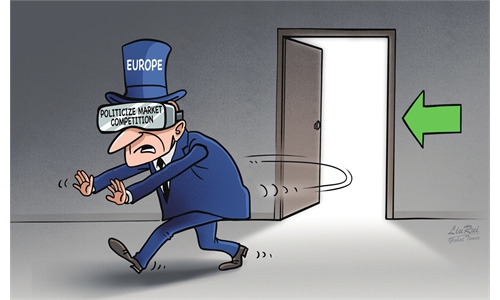
In recent months, the EU has intensified its efforts to strengthen its economic competitiveness. The pressing challenge lies in accelerating progress in frontier fields such as artificial intelligence (AI) and the green economy. Meeting this test cannot be achieved by constraining competitors but rather by reinforcing the bloc's own capabilities - a task that calls for sustained investment and meaningful structural reform.
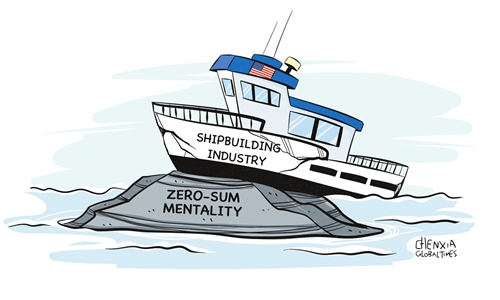
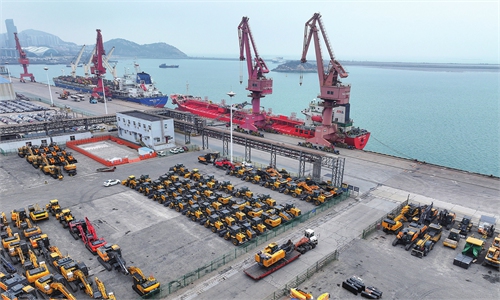
The vitality of international port operations stems from shared development opportunities, not from any country's strategic rivalry. This is why the US' tactics against China's maritime sector are doomed to fail.
Technology innovation is adding new momentum to China-ASEAN cooperation, and both sides have even greater room to expand collaboration further.