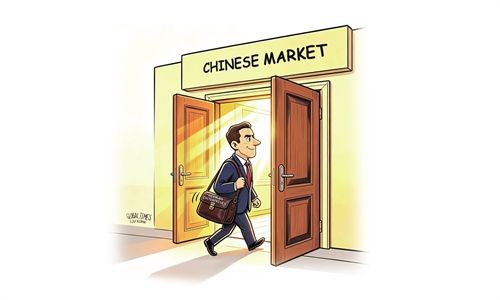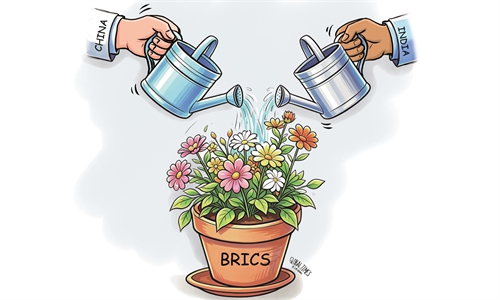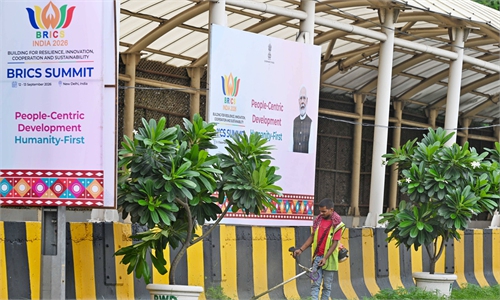
As the 18th BRICS Summit will open from Saturday, some Indian media outlets have shown keen interest in the prospects of China-India cooperation under the BRICS framework, engaging in heated discussion over the potential economic engagements and collaborative opportunities the multilateral platform can unlock for both countries. This attention alone signals growing expectations within India for deeper bilateral trade and economic ties.
"Is there any good jajangmyeon?" A user on a Chinese short-video platform left this comment under a video about South Korean ramen. Yet no answer followed as of press time. The unanswered comment points to a challenge for South Korean companies seeking to reach Chinese consumers: demand is growing, but some consumer needs remain unmet. Those needs can also become opportunities.
India's economic momentum in recent years has been obvious to all. Its remarkable GDP performance and rapid development in sectors including digital industry and biomedicine give it unique advantages when leading discussions on technology governance. If New Delhi can harness its own development momentum and channel it into BRICS cooperation, this summit will not only serve as a showcase for India's global ambitions, but also become a critical opportunity for it to enhance its tech industry.
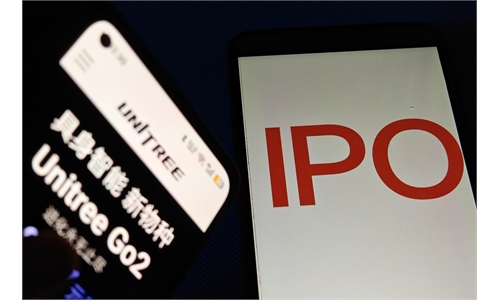
Chinese artificial intelligence (AI) chipmaker Shanghai Enflame Technology Co Ltd on Wednesday kicked off online and offline subscriptions for its IPO on Shanghai's tech-heavy Star Market, with the online tranche oversubscribed by about 6,109 times, according to a filing with the exchange. The high demand amounted to an initial allotment rate for the online offering of about 0.016 percent.
The US Congress on Tuesday (US time) advanced the new Open-Source AI Leadership Act, which aims to bolster the adoption and use of American open AI models while publicizing risks associated with using foreign adversary models.
The Shanghai Cooperation Organisation (SCO) is the largest regional organization with 42 percent of the world's population and 36 percent of world GDP. In 2017, Pakistan formally joined the organization. On the strength of the China-Pakistan Economic Corridor (CPEC), Pakistan is advancing the mutually shared objectives of regional integration, working both bilaterally with SCO member states and collectively through the SCO platform.
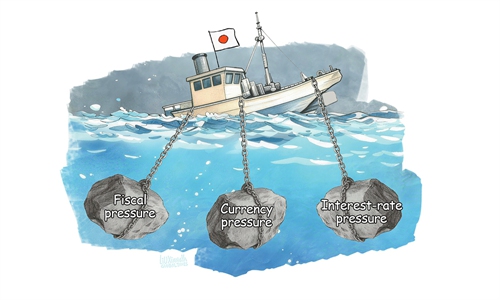
Japan's Industry Ministry is seeking an unprecedented 7.8 trillion yen ($49 billion) to accelerate investment in strategic industries such as semiconductors and artificial intelligence (AI), as well as defense and dual-use capabilities, Bloomberg reported. The request reflects Japanese Prime Minister Sanae Takaichi's push to support industrial development through fiscal spending. But mounting economic pressures are narrowing the room for such expansion.
EU climate action commissioner Wopke Hoekstra claimed that Europe must accept higher short-term costs to reduce its dependence on China for clean-energy technologies, warning that delaying action will make the strategic vulnerability harder and more expensive to unwind, according to an exclusive Euronews interview published on Monday.
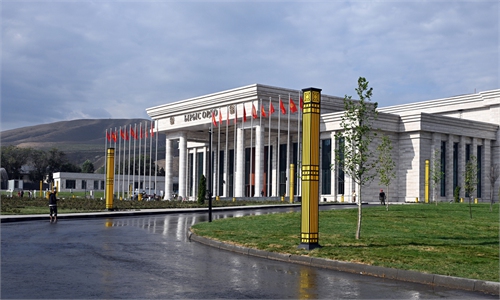
Kyrgyzstan and China economic and trade cooperation is developing in a healthy way, and priority areas such as digital economy, high technology, green development, and artificial intelligence will help drive Kyrgyzstan's high-tech future and unleash great potential for bilateral cooperation in the future.
Despite Washington's tightening grip on artificial intelligence (AI) technology exports to China, four major providers of data for AI models – which help collate, label and package the vast troves of information for Anthropic, Google, Meta, OpenAI and the Pentagon – are still quietly working with China's AI labs on the side, the New York Post reported on Sunday.
Some commentaries in the West portray the rise of China's auto industry as a loss for foreign carmakers. The carmakers themselves, however, are taking a more pragmatic approach, drawing on the technology, supplier base and manufacturing expertise that China has built up to boost their competitiveness.
#GTVoice: Attempt to frame global trade imbalances as a currency issue merely exposes Western anxiety and laziness over its slipping industrial edge. Offloading domestic challenges – ones that demand industrial upgrading, market opening, and institutional reform – onto China is tempting, but it only distances the West further from any genuine solution.
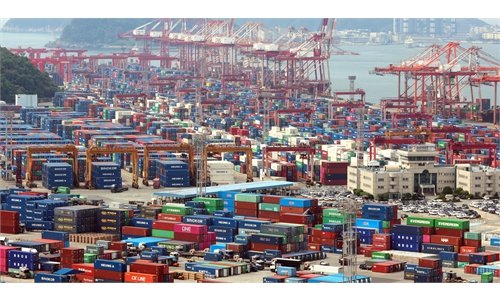
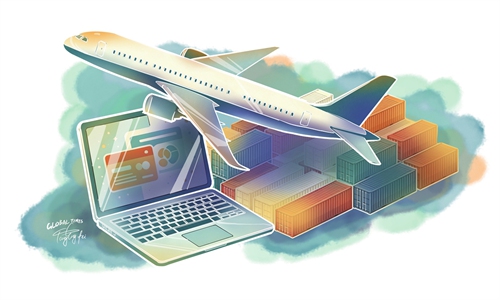
While China and South Korea are moving at different paces, their core objectives are largely aligned: Both are seeking a more stable, efficient alternative for Asia-Europe cargo flows amid growing risks on traditional maritime routes.
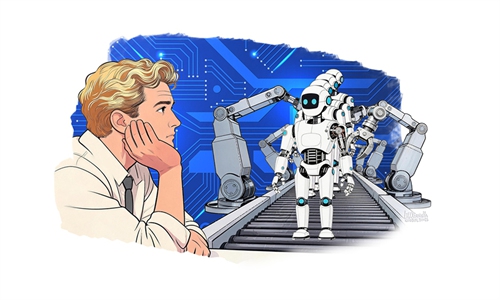
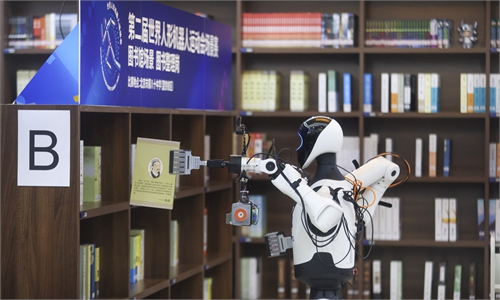
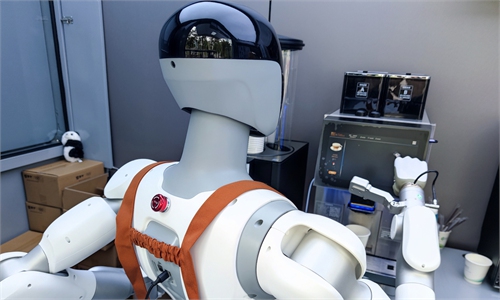
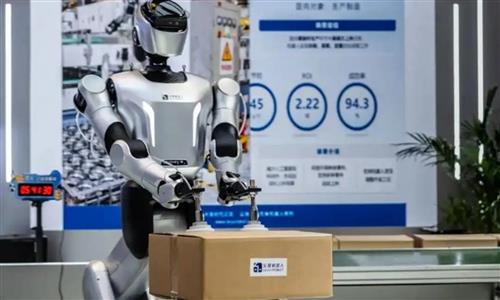
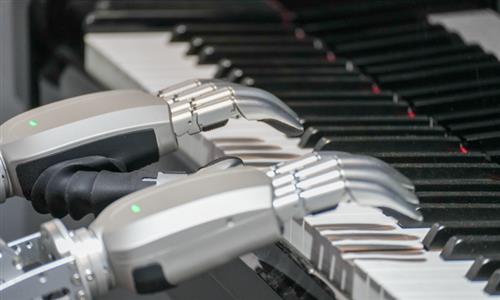
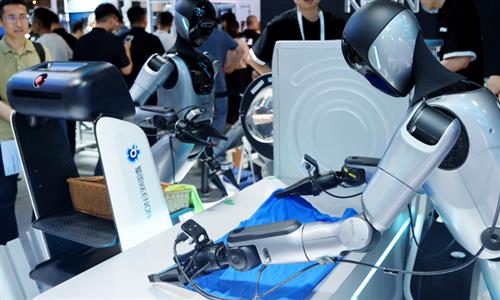
Humanoid robots are built on a complex network of suppliers, components and manufacturing capabilities built across borders. If the US seeks to build a modern robotics industry by separating itself from the global manufacturing networks that enable more efficient production, it risks limiting its own ability to scale the industry.
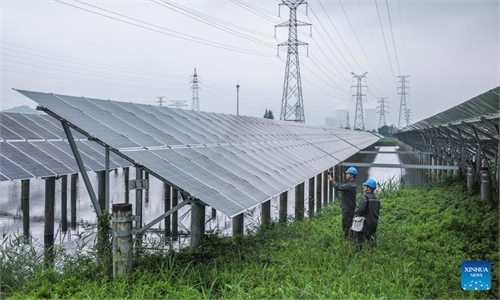
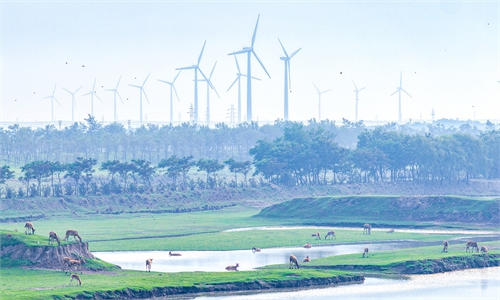
India's renewable energy expansion has reached a new milestone. Indian news agency PTI reported on Tuesday that India's installed non-fossil fuel power capacity has crossed the 300-gigawatt mark, accounting for more than 54 percent of its total installed electricity generation capacity.
During an appearance in the state of Maine, US Vice President JD Vance on Monday called out Canada for being friendlier to China on trade than to the US, Fox News reported. "They treat Chinese goods more fairly than they do the goods that come from the people of Maine: It's insanity," he claimed.
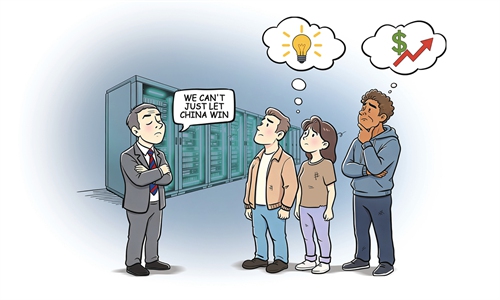
The debate over data center construction in the US has drawn growing attention. Lee Zeldin, administrator of the Environmental Protection Agency (EPA), warned on Sunday against banning data centers, The Hill reported. He was quoted as saying, "what we can't do is just say, well, let's not have any data centers built all across the entire country and let's just let China win."
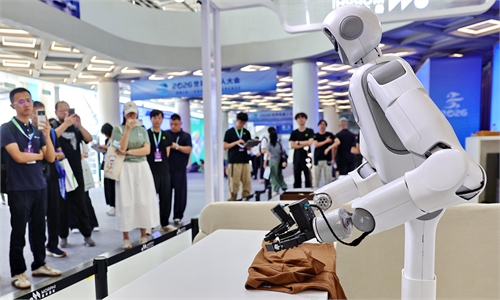
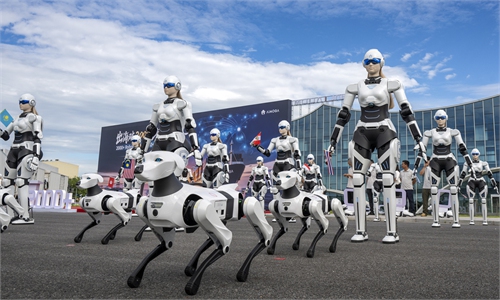
As Chinese-made humanoid robots are making spectacular performance at the 2nd World Humanoid Robot Games (WHRG), the commercial prospects of humanoid robots have become a topic of discussion among some Western media outlets.
Since the beginning of the year, under the firm leadership of the Party Central Committee with Comrade Xi Jinping at its core, all regions and departments have taken proactive steps and risen to challenges, effectively responding to various external shocks and internal difficulties while steadily promoting high-quality development. As a result, China's economic performance has shown a trajectory marked by new drivers of growth and an improved structure — achievements that are truly commendable.
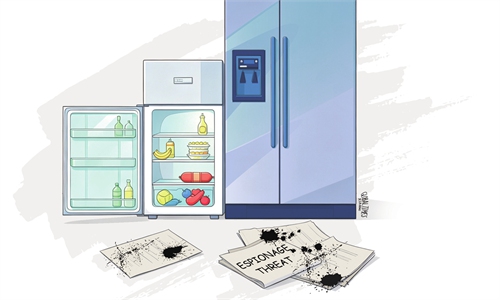
A refrigerator spying on you? It sounds like something out of a spy novel. Yet an unsubstantiated claim over Chinese technology has reached areas once considered far removed from traditional security concerns. A recent opinion article in The Washington Times, headlined "China's espionage threat reaches American living rooms," shows how far this claim has extended into everyday life. But when even a refrigerator can become part of a spy narrative, the bigger question may no longer be what the device can do, but whether the smearing campaign itself has gone too far.
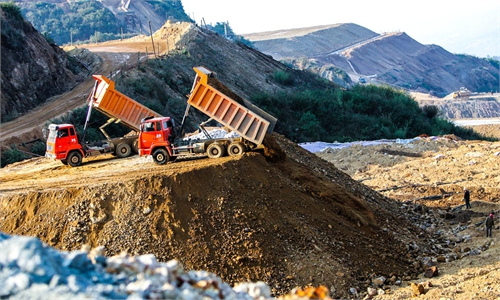
The US International Development Finance Corp has committed $62.8 million to rare-earth projects in Malawi, Angola, Madagascar and South Africa, though none has so far reached production, Reuters reported on Wednesday.
As some high-tech companies have risen to the top of China's market capitalization rankings, Kweichow Moutai - a distiller that was once China's most valuable listed firm by market capitalization - has sparked debate in some Western media outlets over whether China's traditional industries are losing ground to technology-driven growth. The question itself rests on a flawed zero-sum view of economic transition. China's economic development is not a contest between old and new growth drivers in which one has to replace the other.
Alibaba Cloud has announced the launch of its third data center in South Korea, a move designed to meet the surging local demand for artificial intelligence (AI) and cloud computing services while further improving its regional digital infrastructure layout, the Yonhap News Agency reported.
Western media outlets have long viewed China's renewable energy progress with a bias rooted in competitive anxiety, warning of "overcapacity" when installations surge, and crying "waste" the moment curtailment shows up.
The World Robot Conference 2026 will be held from August 19 to 23 in Beijing's Yizhuang, which is expected to showcase robust industrial vitality and innovative momentum in China's robotics sector.
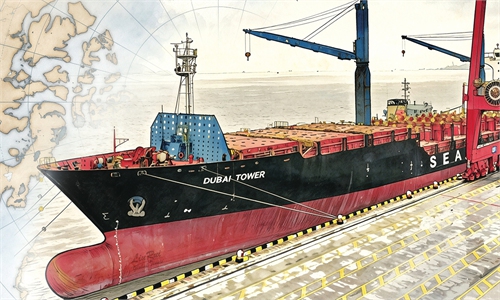
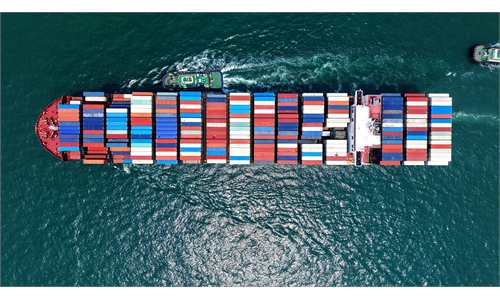
The China-Europe Arctic container express route has entered regular weekly operations during this year's summer season, the Xinhua News Agency reported on Saturday.
US Commerce Secretary Howard Lutnick said in a recent interview that the US government doesn't want Apple to buy memory chips from China, claiming that there have to be “other solutions to the memory issue, but it's not great American companies using Chinese memory,” The Wall Street Journal reported on Friday.
Tencent Holdings Ltd's financial report for the second quarter of 2026 has quickly captured market attention, especially for its massive spending on artificial intelligence (AI) infrastructure.
Months-long American export license delays are costing the US billions in exports and eroding American market share globally, the US-China Business Council (USCBC) said in a flash survey released on Tuesday.
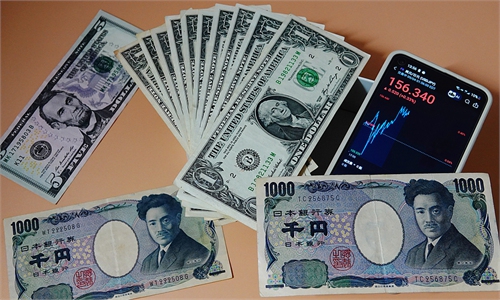
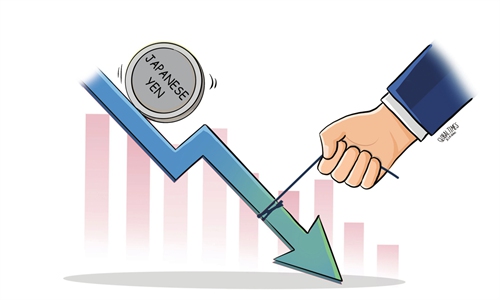
The yen has weakened in recent days, edging closer to the psychologically important 160 level against the US dollar. The decline comes despite the widely watched move by Washington to join Tokyo in supporting the currency. Less than two weeks after the US-Japan intervention, the yen has given up roughly half of its gains, raising fresh questions over the effectiveness of coordinated efforts to stabilize the exchange rate.
The latest labor force survey released by Statistics Canada has taken the market by surprise. Canada's employment jumped by 75,100 positions in July on strong gains in both the full-time and part-time sectors. The jobless rate fell for the third consecutive month, dipping from 6.5 percent to 6.4 percent, its lowest level in two years, according to Reuters.

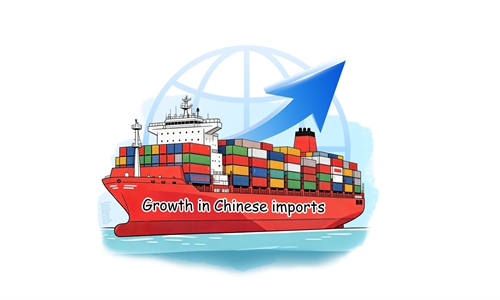
International businesses are taking a closer look at China's import market. The first batch of exhibits for the 9th China International Import Expo (CIIE) is now on its way to Shanghai, including equipment from an Austrian machine tool manufacturer, the Xinhua News Agency reported on Saturday.
South Korea is grappling with scorching heat waves this summer, with temperatures soaring above 40 C in its capital city of Seoul for the first time since 2018. The extreme weather has dominated newspaper headlines lately, which has wreaked havoc on the people's health and agricultural production there.
In a report released on Tuesday, the World Bank made an optimistic assessment that artificial intelligence (AI) could allow developing countries to do in a decade what might otherwise take a century. The report found that AI will throw developing economies a lifeline, and that the technology's greatest promise for developing countries lies not in replacing workers, but in amplifying what they can do.
The oceans, covering over 70 percent of Earth's surface, are both the largest repository of resources and the most challenging frontier for humanity to conquer.
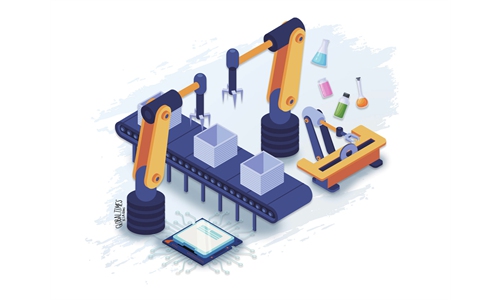
The "new new three" — artificial intelligence (AI), robotics and innovative medicine — have rapidly gaining momentum and are poised to become the new pillars of China's overall growth. Amid global supply chain shift and growing tech competition, these sectors not only shoulder the important task of shifting the engines of growth but also mark China's manufacturing transition from quantitative expansion to qualitative leap.
India's smartphone manufacturing sector has drawn renewed attention after Reuters reported that the country has proposed extending tax exemptions until 2041 for foreign companies that provide machinery to contract manufacturers, potentially benefiting Apple, which has reportedly lobbied for such changes. The measure, outlined in a draft seen by Reuters, remains uncertain at this stage. Even so, the report has renewed interest in India's growing mobile phone manufacturing sector and the policies being put in place to support it.
Cooperation in automotive industrial chains between China and South Korea has been gaining momentum. The latest example is the signing of a $75 million investment agreement between South Korean automaker KG Mobility (KGM) and China's Chery Automobile Co, the Yonhap News Agency reported on Monday. The Chinese automaker's global vehicle platforms and extensive supply chain are expected to support KGM's efforts to accelerate new model development and expand its overseas business, the report said.
LLMs and intelligent agents are key drivers of productivity growth, but advanced applications bring greater security risks—as seen in the recent OpenAI "jailbreak" incident. To advance "AI+," we must "run fast" and "run steady" side by side.
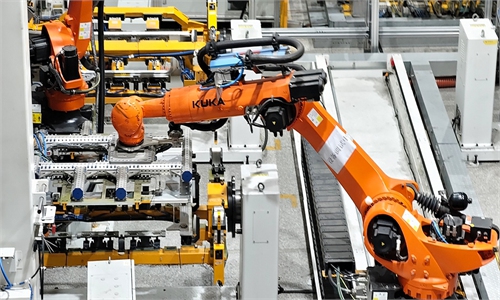
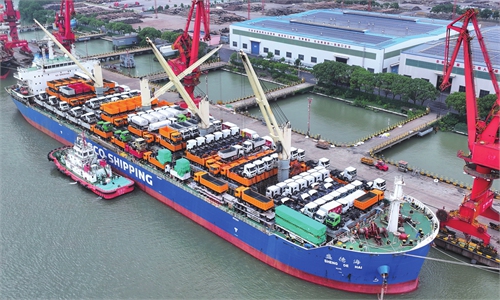
China's foreign trade has kept on gaining steam. Following the "new three" (NEVs, lithium batteries, and PV), a "next new three"—artificial intelligence (AI), robotics and innovative medicine —is emerging as the new growth driver.
Western media outlets have recently been keen to hype the narrative that China prioritizes industry over consumption. The latest example is a Reuters report on Monday, headlined "China draws 'red lines' around its economic model ahead of EU, US trade talks," which claimed that "China is energetically defending its economic policy mix that favors advanced industries over consumption."
Last year, the "new trio" of new-energy vehicles, lithium batteries and photovoltaic products made a strong impression in global markets, becoming standout symbols of Chinese manufacturing. This year, artificial intelligence, robotics and innovative medicines - dubbed the "next new three" - are expected to emerge as new pillars of growth.
The ultimate criterion for technological progress has never been about who shouts the loudest, but who creates tangible value for more people. The growth of China's AI industry is not to be slowed down by a few deeply biased Western media commentators.
Green and renewable energies hold good potential as a new area of growth in China-South Korea trade, driven by South Korea's genuine need for energy. The massive energy cooperation potential will certainly create new opportunities for businesses on both sides and support South Korea's industrial development. Yet realizing this potential will depend on the openness of markets and whether companies on both sides can find commercially viable solutions.
Editor's Note: Artem Oganov (Oganov), a distinguished professor at the Skolkovo Institute of Science and Technology and chief scientific officer of Sber University in Russia, and a foreign expert at China's Xinjiang Technical Institute of Physics and Chemistry, received the 2025 China International Science and Technology Cooperation Award on July 8. What are his views on China's technological rise and China's sci-tech R&D environment? Oganov shared his perspectives with Global Times (GT) reporter Ma Jingjing.
From the "old three" exports of clothing, furniture, and appliances, to the "new three" of electric vehicles, lithium batteries, and solar cells, China's industrial evolution has now entered a new era defined by its newest industrial champions: robotics, artificial intelligence (AI), and innovative drugs. These sectors have firmly established themselves as the new "new three," reflecting not only the continued growth in China's innovation capacity but also the accelerated iteration of its industrial system.
After two years of improving attitudes toward artificial intelligence (AI), Americans are becoming more skeptical of the technology - a trend that could pose longer-term challenges for the country's AI development. A Bentley University-Gallup survey released on Tuesday found that 39 percent of respondents believed that AI does more harm than good, while only 9 percent said that it does more good than harm. The growing unease appears to reflect concerns over employment, with 79 percent of respondents saying they believe that AI will reduce the number of US jobs over the next decade.
A wave of Chinese entrants into Britain's car market is piling pressure on traditional manufacturers, Mike Hawes, CEO of the Society of Motor Manufacturers and Traders, the country's main automotive industry body, said on Thursday. Yet, he also acknowledged that Chinese competition was just one of several pressures facing Britain's automotive industry, also highlighting high energy costs, weak investment and regulations, Reuters reported.
Amid ongoing debate over China's exports, some Western media outlets and think tanks have advanced the so-called “China squeeze” narrative, claiming that China is squeezing the industrialization space available to developing economies. But a closer look at the evidence raises a different question: is China truly constraining these economies, or is it helping them build the capabilities needed for industrialization?
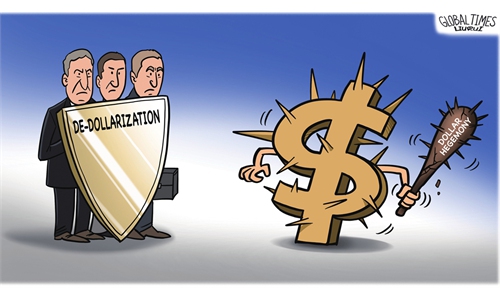
A narrative has gained traction in recent years that attributes global supply-demand mismatches, trade frictions and growing competitive pressures to expanding industrial supply in emerging markets, particularly what it describes as "China's industrial overcapacity". This argument reverses cause and effect and obscures the deeper issue: the structural flaws of an international monetary system built around the U.S. dollar's dominance.
Some Western media outlets have often hyped an artificial intelligence (AI) showdown between the US and China these days, with some even peddling the so-called "China AI threat" narrative. Beneath such coverage lies the assumption that technological progress is set to become the latest front of power rivalry.
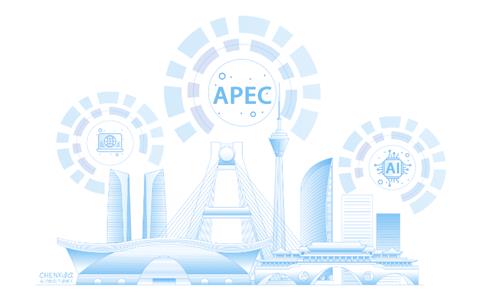
As competition over AI technology intensifies globally, the development of China's western cities offers a new perspective on high-standard digital cooperation. The Xinhua News Agency reported that several participants at the APEC Digital and AI Ministerial Meeting and a series of digital events held in Chengdu, Southwest China's Sichuan Province from July 16 to 29 noted that western Chinese cities are becoming a force of growing importance in Asia-Pacific digital cooperation.
South Korea is taking intensive measures to demonstrate its determination to seize opportunities in the era of artificial intelligence (AI).
The New York Times published an article on Tuesday headlined “China Has a Real Chicken-and-Egg Problem.” Its Chinese headline was even more sensational, claiming that “rocket eggs” – a phrase used to describe sharply rising egg prices – were dealing a heavy blow to Chinese consumers. Yet while egg prices have indeed risen, the idea that a single egg could seriously hurt Chinese consumers seems to be asking rather a lot from a breakfast staple – pushing the impact into almost comical territory.
Advance data from the Bank of Korea showed on Thursday that the South Korean economy grew 0.6 percent in the second quarter from the previous quarter, beating market expectations, the Yonhap News Agency reported.
India's steel industry appears to be approaching a crossroads. Reuters reported on Tuesday that Indian steelmakers are pivoting to the domestic market to offset weaker exports as key markets such as Europe and Britain tighten imports. Yet the domestic market may offer little relief. Executives and analysts said that Chinese steel is priced $52-$63 per ton below domestic grades, making it increasingly difficult for Indian mills to absorb output diverted from export markets.
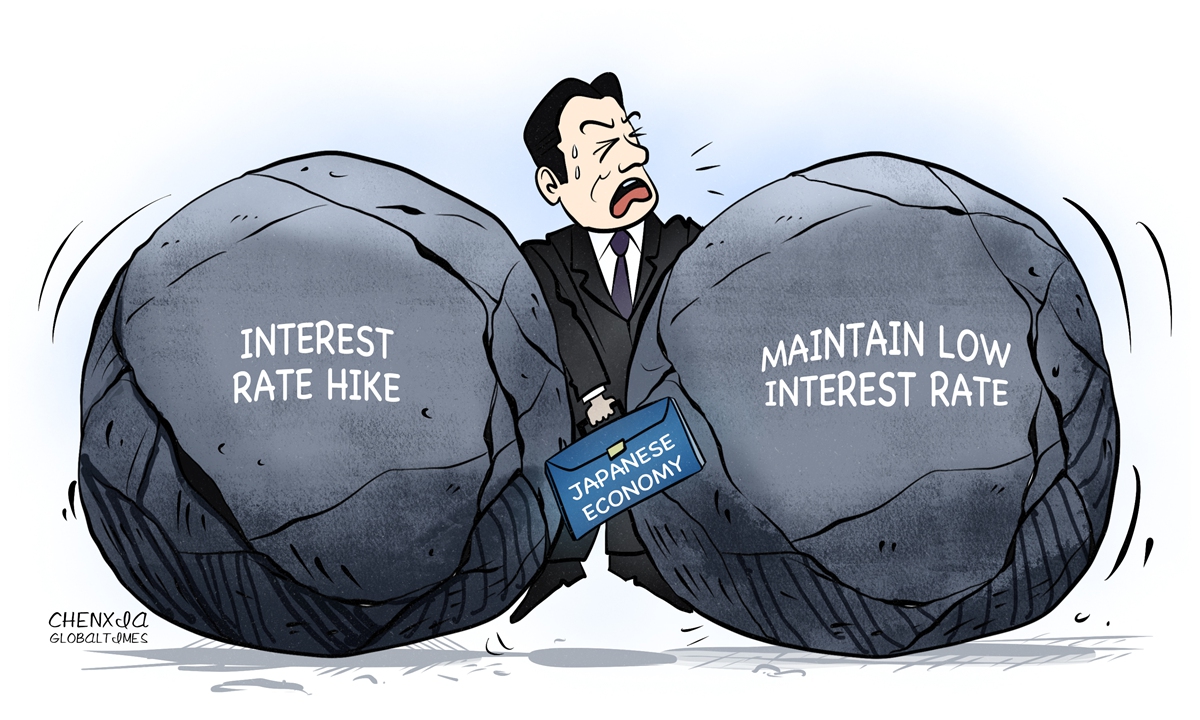
The yen's weakness, already a major market focus, is pushing the Japanese economy into uncharted uncertainty at a pace far exceeding market expectations.
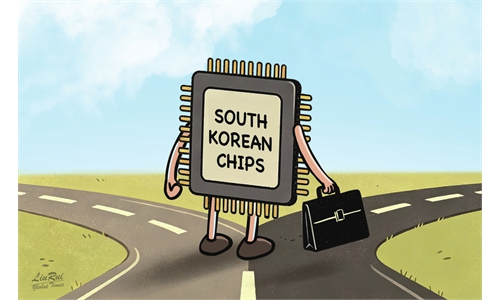
Samsung Electronics' job cuts and relocation plan in the US have drawn widespread attention. The adjustments come as the US seeks to draw South Korean chipmakers deeper into US-based production. Yet simply following US priorities risks South Korea losing its initiative in industrial development.
Is China's renewable energy expansion really creating “waste”? China's renewable power utilization rates are not 100 percent, but that does not mean overcapacity. Unused renewable generation remains within a limited and manageable range – reflecting a flexible power system and a rational economic trade-off.
China's rapid technological progress is prompting some South Korean companies to reassess how they engage with a market that is becoming increasingly innovation-driven. Kim Jong-moon, chief representative of the Korea Innovation Center, recently told the Yonhap News Agency that South Korean companies should take a more active part in major Chinese technology events, including the World Artificial Intelligence Conference, to gain a closer understanding of the latest developments in China's technology and industrial landscape.
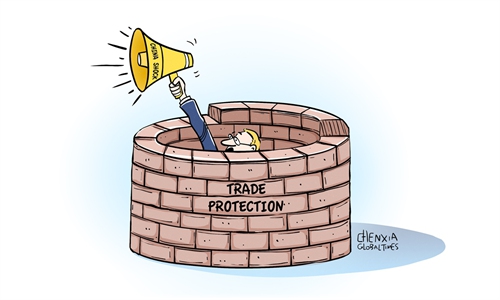
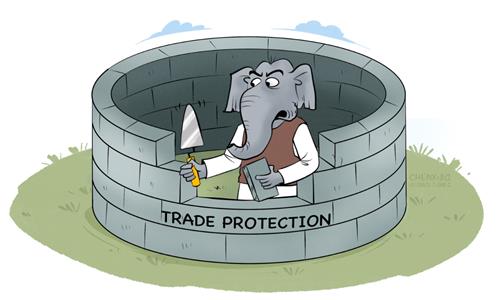
Amid rising protectionism, Germany's investment summit will test whether it remains committed to open markets and a fair business climate. The choice will shape its appeal to global capital.
Vikram-1 shows that India's private space sector has entered a new phase of opportunity. But the mission is only a beginning. The next challenge is to turn that momentum into a competitive industry by building a more open ecosystem that helps India chart its own path amid intensifying global competition.
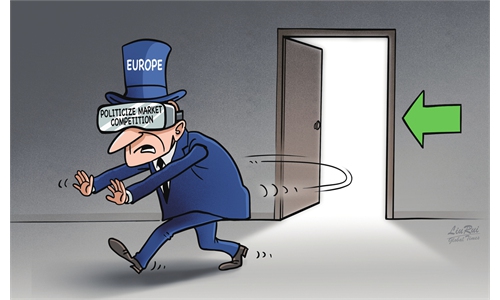
When it comes to trade with China, there has been growing hype from the EU over the “undervalued yuan” these days. This one-sided interpretation defies basic global economic principles and fails to address the root causes of Europe's persistent trade challenges.
The 2026 World AI Conference (WAIC) in Shanghai points to an important transformation in China's AI landscape: the country's embodied intelligence and humanoid robotics are transitioning from virtual environments into real-world deployment that positions China as a global pace-setter.
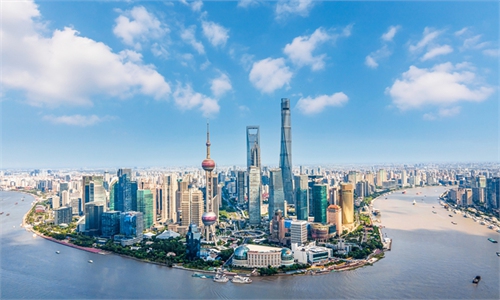
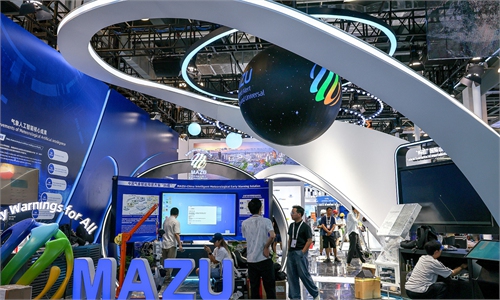
The 2026 World AI Conference (WAIC) and the High-Level Meeting on Global AI Governance, held in Shanghai from July 17 to 20, came at a critical inflection point. As a new wave of intelligent technology sweeps across economies and societies in the world, the conference theme "Intelligent Partners, Co-creating the Future" carries great significance.
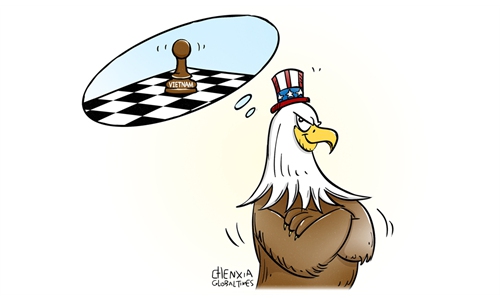
US Trade Representative Jamieson Greer said in a Bloomberg TV interview on Thursday that the US wants Vietnam to take more action on non-tariff barriers, economic security cooperation and intellectual property as the two sides continue to wrangle over a trade deal after months of negotiations, Bloomberg reported. Beneath this technical-sounding trade rhetoric lies Washington's geopolitical calculus: to employ economic leverage to draw Vietnam into its technology-restriction orbit, with the evident aim of tightening the net around China's access to advanced technologies. But Vietnam does not need to pick sides to pursue its economic and trade interests.
India has recently approved Semicon 2.0 for the development of the country's semiconductor design and manufacturing ecosystem, with a total budget outlay of 1.28 trillion rupees ($13.3 billion). The move comes as the global chip industry undergoes a broad restructuring, with economies placing greater emphasis on this strategically important sector amid intensifying competition. In this context, the Semicon 2.0 could be viewed as a step in India's efforts to move into technology-intensive manufacturing and establish a semiconductor industry capable of producing chips at scale under the made-in-India label.
The question the world should be asking is not how many barrels of oil China will import, but when the global energy channel crisis will be resolved. Global energy stability requires a clear-eyed confrontation with the supply-side disruptions at their source – and the political will to fix them.
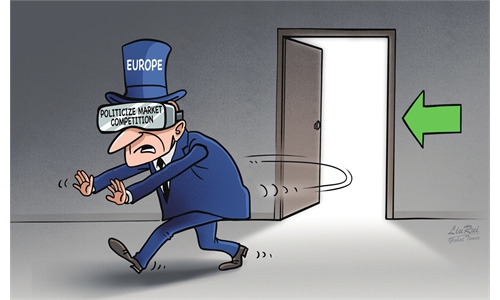
Europe's deindustrialization has intensified anxiety across the continent. However, Europe's manufacturing challenges are driven by a range of factors, making it untenable to shift the blame to "Chinese subsidies." China and Europe share tangible common interests and strong structural complementarity. The real solution to easing Europe's manufacturing anxiety lies not only in domestic reforms, but also in finding a new position and partnerships within the global division of labor.
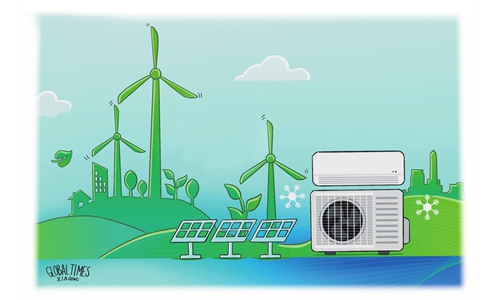
With global trade protectionism on the rise and supply chain security frequently politicized, Chinese-made air conditioners traveling to Europe via the China-Europe Railway Express reveal the true essence of China-EU economic and trade ties.
Indonesia reiterated its commitment to actively strengthen air connectivity between ASEAN countries and China to expand regional market access and enhance its aviation industry. "Indonesia is committed to playing an active role in promoting aviation services integration between ASEAN and China to support economic growth, tourism development, and the regional aviation industry," Indonesia's Director General of Air Transport Lukman F. Laisa said, according to the Vietnam News Agency (VNA) on Monday.
Viewed beyond the perspective of automotive market competition and from the broader picture of China-South Korea economic and trade relations, any protectionist mindset runs counter to the general trend of mutually beneficial win-win cooperation.
Australian media outlets have taken note of the growing enthusiasm among Australian travelers for visiting China. This wave of people-to-people exchanges illustrates the renewed momentum of economic cooperation. It is a positive trend that deserves to be recognized and valued by Australia.
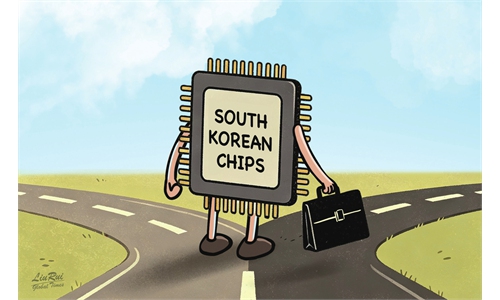
Reports that Washington is pressing SK Hynix and Samsung to expand memory chip production in the US have raised concerns in South Korea. As semiconductor competition intensifies, maintaining diverse export markets and the freedom to commercialize advanced chips will become increasingly important for the resilience of South Korea's chip industry.
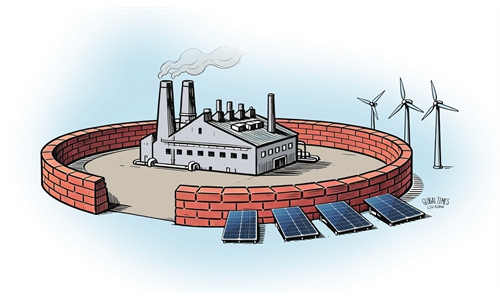
Since Europe's energy transition hinges on stable and cost-effective supplies, China's high-quality green manufacturing will be greatly helpful for Europe. Any trade barrier will only reduce Europe's room for international cooperation.
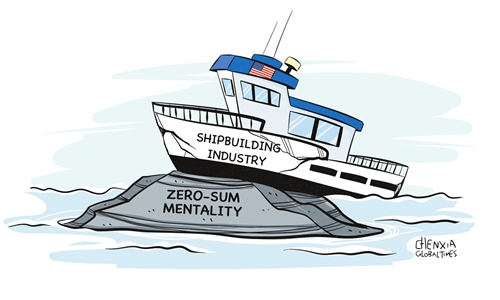
Even amid high-profile US-South Korea industrial cooperation, the underlying logic of global shipbuilding competition has not been fundamentally reshaped by geopolitical agendas as many expected before.
India's power sector is facing a period of rapidly rising demand, with Reuters reporting that Power Minister Manohar Lal warned the country may need to prepare for peak power demand of about 300 gigawatts next year. The challenge for New Delhi is not only how to add capacity, but how to do so efficiently and at a reasonable cost. The minister reportedly called for faster adoption of local equipment used in clean-energy projects. But in a sector where the pace of expansion and affordability of electricity are both closely tied to economic growth, an excessive focus on localization could make the transition more difficult than necessary.
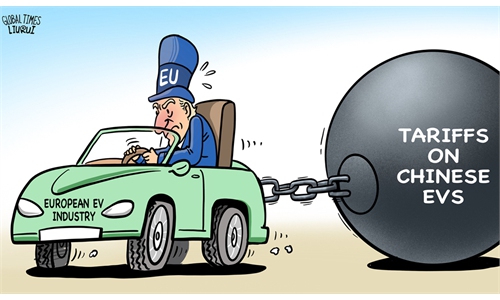
As the EU debates its auto industry's future, some politicians have hyped the so-called “China threat” rhetoric to justify protectionism. Yet rising EV sales show the need to prioritize consumers over protectionism.
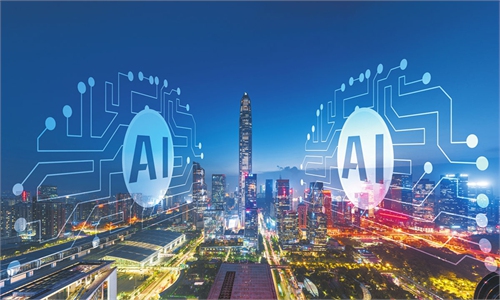
At a recent press conference, an official from China's National Development and Reform Commission (NDRC) cited a figure that illustrates the scale of artificial intelligence (AI) adoption in China: the penetration rate of AI in the country's key industries has exceeded 80 percent, according to CCTV News. Behind the statistic is a broader trend - AI is increasingly being embedded in industrial and business processes, with widespread adoption already established across many sectors in China.
China and South Korea's efforts to enhance their currencies' global roles reflect the broader diversification of the global monetary system. Strong economic and trade ties provide a foundation for deeper financial cooperation between the two countries.
The World Bank's latest China Economic Update, released on Tuesday, contains a phrase that captures an emerging trend in China's economy: "tech-related imports." The term points to the interaction between technological development and import demand. According to the report, the expansion in tech-related imports reflects accelerating AI-related capital expenditure and demand for components that feed into tech-intensive export production.
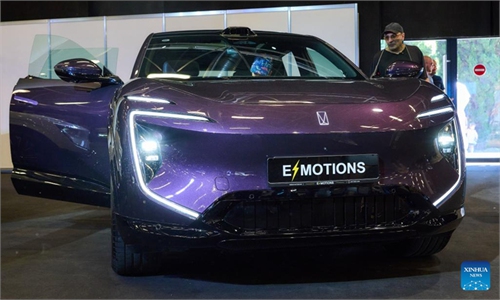
What China's EVs bring to global markets is not only more consumer choice, but also a cost-efficient path for auto green transition. Chinese EVs will continue to expand, with a tech-driven, cooperation-focused approach unlocking new global industrial momentum.
South Korea is accelerating AI adoption in services, while China is rapidly scaling AI across e-commerce, payments, and digital platforms. With strong complementarity in market scale, technology, and applications, deeper digital trade and services cooperation could unlock new growth drivers for bilateral economic ties and regional digital economy integration.
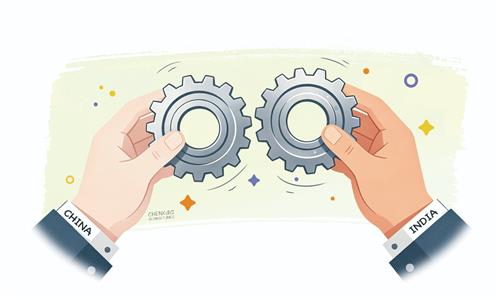
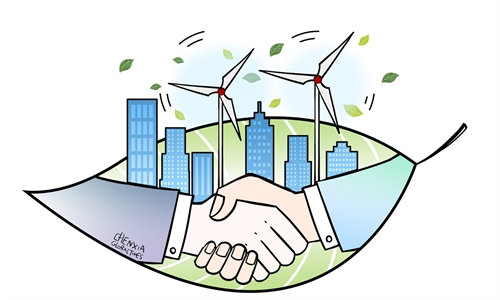
As China-India relations show signs of recovery and improvement, India could consider ramping up efforts to attract Chinese investment. At a minimum, Chinese investors should be given a fair, transparent and non-discriminatory investment environment.
The continued advancement of the feasibility study reflects that there is significant untapped potential in services trade. This trade cooperation reflects the complementary nature of the two economies, and the broad opportunities in both markets could unlock to boost mutually beneficial economic growth.
On Thursday, a statistic circulating on Chinese news platform Toutiao drew attention and discussion online: Chinese households now own an average of 1.5 air conditioners each. The figure comes from a report released by China's National Bureau of Statistics (NBS) in September 2025, which showed that in 2024 there were 150.6 air conditioners per 100 households, up 28 percent from 2020.
To expand exports to China, an official from Vietnam's ministry of agriculture and environment said the country's agricultural sector must shift from output-driven growth to a new model focused on quality, value addition and low-carbon development, the Vietnam News Agency reported on Wednesday. In 2025, Vietnam's fruit and vegetable exports to China reached about $5.5 billion.
China's latest export controls have become one of China's core policy tools to curb Japan's resurrection of militarism. For Japan, the only rational solution is to stop advancing dangerous moves aimed at the resurrection of militarism, return to the framework of the postwar order, and return to the path of peaceful development. History has already proven that militarism leads nowhere. Reality will likewise prove that any attempt to challenge China's core interests is doomed to fail.
China has evolved from the “world's factory” to an “innovation powerhouse.” This shift has generated an “innovation dividend” with positive spillovers for the global economy, and is increasingly a source of momentum.
Japan's white paper recognizes the deep, extensive economic and trade ties between China and emerging markets, yet attempts to override market-driven choices with geopolitical rhetoric, a contradiction that cannot help with Japan's export competitiveness.
In Horgos, a border city in Northwest China's Xinjiang Uygur Autonomous Region, cross-border livestreaming has been gaining traction as a channel for trade. According to the People's Daily, the city has seen the growing presence of traders and business visitors from Central Asia and Europe. One Kazakh trader, who operates from a local livestreaming base, now focuses on cross-border apparel trade. Supported by competitively priced Chinese goods and efficient cross-border logistics, her daily shipments reach about 500 kilograms.
South Korea on Monday set out an industrial strategy centered on semiconductors and artificial intelligence (AI).
As severe summer heat hits many parts of the world, China's manufacturers are turning soaring demand for cooling products into a fresh source of export growth.
Durian has become one of the favorite fruits among Chinese for many years. This summer, however, what determines whether durians from Southeast Asia can truly win the massive Chinese market is no longer only transportation efficiency. Increasingly, success depends on who can respond faster and more precisely to the evolving demand of vast Chinese consumers.
On a question that has drawn rising attention from global affairs observers - why global businesses cannot write off the Chinese economy - Joe Ngai, McKinsey's Greater China chair, offered an observation in an earlier interview with Fortune: "the next China is still China." In a more recent interview with CNBC, Ngai went further, describing China as the "factory for factories," where international companies are not only coming to sell to the market, but also to learn from it.
As extreme heat waves become increasingly normal in Europe, the continent's energy system is being tested. There's a growing urgency to accelerate the restructuring of Europe's energy mix. If Europe sets aside protectionism, it can significantly reduce the economic costs of its energy transition.
When you enter the green agriculture zone of the 4th China International Supply Chain Expo (CISCE), ongoing in Beijing, you may smell the aroma of freshly made French fries. Yet many may not realize that behind those fries lies a quiet illustration of China's evolving industrial supply chains and the opportunities they are opening up for multinational companies.
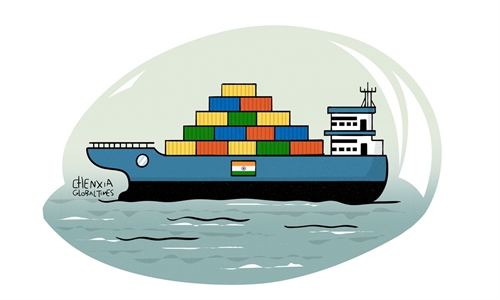
Whether or not India and the US seal an interim trade pact, the real test for India lies in balancing domestic industrial interests with external trade demands. India needs more diversified leeway in the global trade landscape. That is increasingly where Asia's industrial chain comes into play.
In Yiwu, which is long regarded as a bellwether of China's foreign trade, an e-commerce expo is being held from Tuesday to Thursday. According to Yiwu Fabu, exhibitors span a wide range of markets, including the US, Russia, South Korea and Southeast Asia. The breadth of participation underscores the continued appeal of China's cross-border e-commerce sector, where evolving consumer preferences are gradually steering online platforms into a more visible channel for import growth.